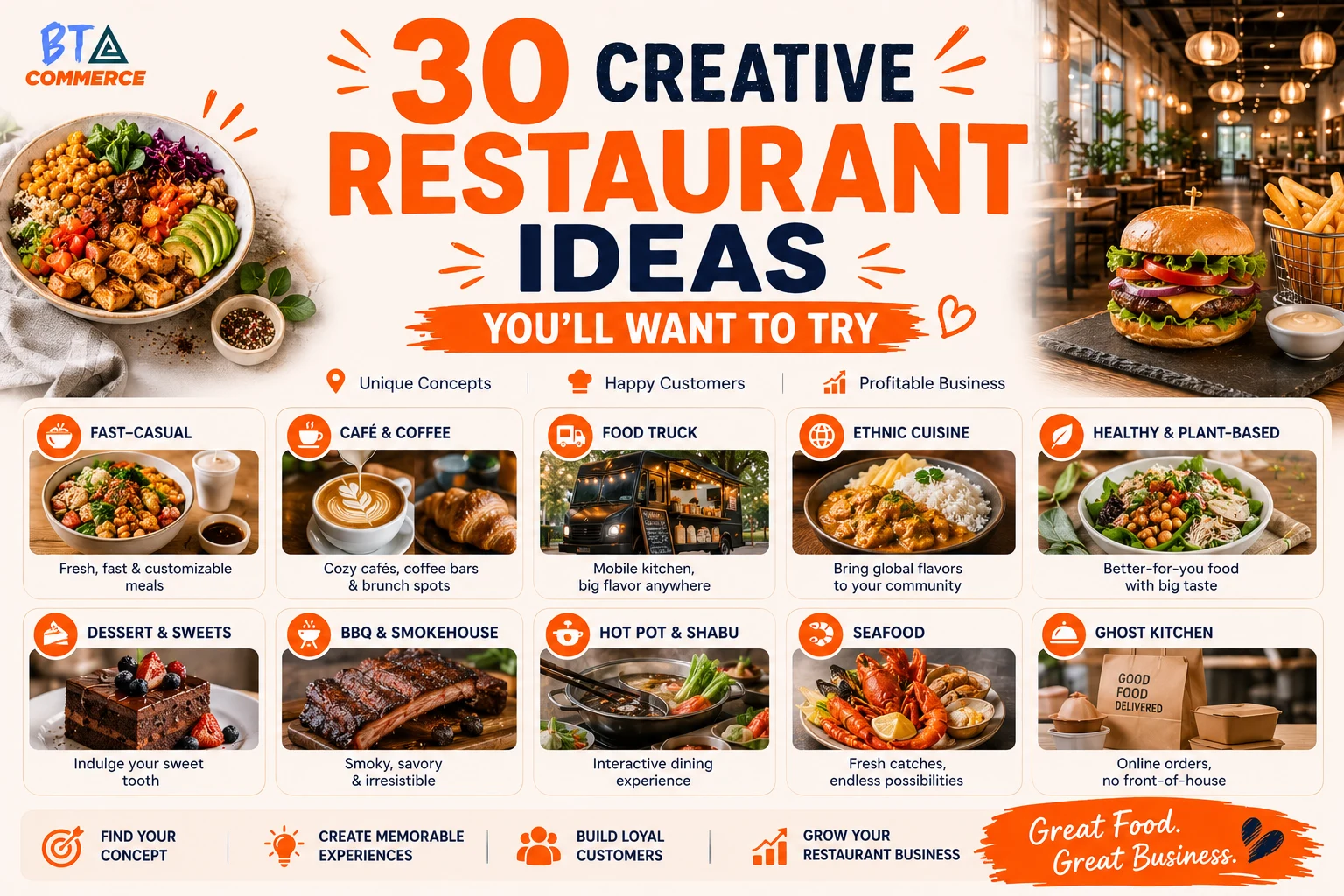
Starting a restaurant business starts with finding a concept that matches your vision, budget, and customer needs. Whether you want to open a cozy café, a food truck, or a unique dining experience, the right idea can help you identify opportunities and build a strong foundation for growth.
To help you explore different options, BTA Commerce shares 30 restaurant business ideas, covering a variety of concepts and business models to help you find the right direction for your restaurant journey.
How to Choose the Right Restaurant Business Idea
Choosing the right restaurant business idea means balancing market demand, startup costs, your expertise, and long-term growth. A concept that fits both your strengths and local customers is more sustainable than simply following trends.
- Identify your target customers: Define who you want to serve based on age, income, lifestyle, and dining habits. This determines your menu, pricing, service model, and location.
- Research local demand and competitors: Identify market gaps by analyzing local restaurants, customer reviews, pricing, foot traffic, nearby businesses, and delivery demand.
- Consider your startup budget: Choose a concept that matches your capital. Full-service restaurants require far more investment than cafés, food trucks, or ghost kitchens, and you should reserve 3–6 months of working capital for operating expenses.
- Match your skills and interests: Build a business around your strengths. If you lack restaurant experience, choose a simpler concept or hire experienced kitchen and management staff.
- Look for long-term growth opportunities: Prioritize concepts that can expand through catering, delivery, packaged products, multiple locations, or franchising while adapting to changing consumer demand.
Read more:
- 15 Food Business Ideas to Start and Grow Profitably
- 400+ Restaurant Name Ideas for Every Concept and Cuisine
Classic Restaurant Concepts
1. Fast-Casual Restaurant
A fast-casual restaurant combines the speed of traditional fast food with the quality of casual dining, offering freshly prepared meals in a modern, convenient setting. Popular concepts include build-your-own grain bowls, Mediterranean dishes, gourmet tacos, artisan pizza, premium burgers, and plant-forward menus with organic salads and cold-pressed juices.
- Why it works: Growing demand for quick, high-quality, and customizable meals has made fast-casual one of the most resilient restaurant concepts. Counter service lowers labor costs, while focused menus with 12–25 core items and cross-utilized ingredients improve efficiency and reduce food waste.
- Best for: First-time restaurant owners, busy office districts, shopping centers, college towns, and urban neighborhoods where customers value convenience and fresh food.
- Keep in mind: Fast service alone is no longer enough. Digital ordering, self-service kiosks, and delivery integration have become customer expectations, while a clear brand, transparent ingredient sourcing, and community engagement help differentiate your restaurant in a competitive market.
2. Full-Service Restaurant
A full-service restaurant offers a traditional sit-down dining experience where food, service, and ambiance are equally important. Popular concepts include farm-to-table bistros, modern fusion restaurants, experiential dining, and brunch cafés, each designed to encourage guests to relax and spend more time dining.
- Why it works: Guests often order appetizers, drinks, entrées, and desserts, creating higher average check sizes than counter-service restaurants. Alcohol sales, memorable hospitality, and a unique atmosphere also help increase profit and customer loyalty.
- Best for: Restaurateurs who want to build a concept-driven brand for date nights, family celebrations, business dinners, or weekend brunch crowds.
- Keep in mind: Expect higher startup and operating costs for larger dining spaces, commercial kitchens, and front-of-house staff. Efficient table management, consistent service, and strong local marketing are key to long-term success.
3. Fine Dining Restaurant
A fine dining restaurant delivers an upscale culinary experience through multi-course tasting menus, premium ingredients, elegant interiors, and personalized hospitality. Many concepts also feature curated wine pairings, seasonal menus, and chef-driven storytelling to create exclusive dining experiences.
- Why it works: Customers are willing to pay premium prices for exceptional food, service, and atmosphere, allowing restaurants to achieve higher revenue per guest while building a prestigious brand.
- Best for: Experienced chefs and restaurateurs targeting affluent neighborhoods, luxury destinations, or customers celebrating special occasions.
- Keep in mind: Fine dining typically requires $500,000 to over $1 million in startup capital, plus highly skilled staff and flawless execution. Because it’s a luxury segment, demand can be more sensitive to economic downturns.
4. Buffet Restaurant
A buffet restaurant follows an all-you-can-eat (AYCE) model, allowing guests to enjoy unlimited food for a fixed price. Popular concepts include international buffets, themed buffets, and interactive dining with live cooking or carving stations that add variety and entertainment.
- Why it works: Self-service lowers labor costs, while bulk purchasing and strategic menu planning help control food costs. Profitability also comes from high customer volume, efficient ingredient sourcing, and high-margin beverage sales.
- Best for: Families, tour groups, and high-traffic locations where customers value variety, convenience, and affordable pricing.
- Keep in mind: Success depends on strict food cost and waste control. Monitor portion sizes for expensive proteins, maintain proper food temperatures, and use sales data to forecast demand accurately.
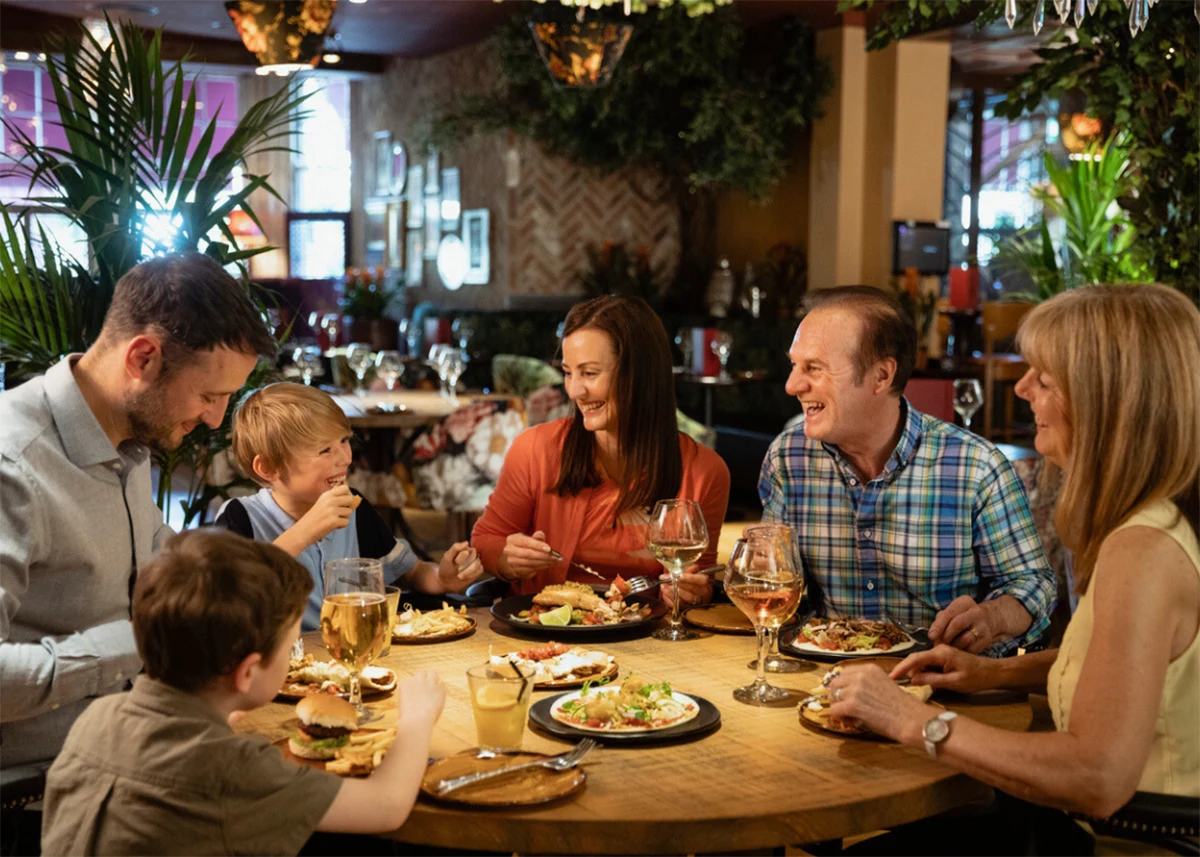
5. Family Restaurant
A family restaurant creates a welcoming dining experience for guests of all ages by serving affordable, crowd-pleasing meals in a comfortable environment. Popular concepts include comfort-food restaurants, retro diners, interactive DIY food stations, and family-style dining with kid-friendly menus and shareable platters.
- Why it works: Families often become repeat customers when they find a restaurant that offers good value, reliable service, and menu choices for everyone, creating steady revenue through loyalty and word-of-mouth referrals.
- Best for: Suburban neighborhoods, residential communities, and locations near schools, parks, or family attractions.
- Keep in mind: Design the space with spacious seating, high chairs, stroller access, and changing facilities. Family meal bundles, kids’ promotions, and efficient service can help increase repeat visits and maximize weekday traffic.
Cafe and Specialty Food Businesses
6. Coffee Shop
A coffee shop is a community-driven business built around specialty coffee, espresso drinks, and light food. Popular concepts include coworking cafés, book and art cafés, mobile coffee carts, health-focused cafés serving organic coffee and matcha, and day-to-night cafés that transition into wine or craft beer bars.
- Why it works: Daily coffee habits create predictable repeat traffic, while espresso drinks offer high profit margins. Additional revenue from pastries, retail coffee beans, branded merchandise, and evening beverage service helps diversify income beyond coffee sales.
- Best for: First-time hospitality entrepreneurs, community-focused operators, and locations with office workers, students, or strong pedestrian traffic.
- Keep in mind: Success depends on high foot traffic, an efficient barista workflow, and a memorable customer experience. Build an audience through social media or pop-up cafés before signing a lease, create an Instagram-worthy space, and balance seating for remote workers without sacrificing table turnover.
7. Bakery
A bakery specializes in fresh bread, pastries, cakes, and desserts, with concepts ranging from bakery cafés and artisan bread shops to gluten-free, vegan, mobile bakeries, and home-based online bakeries. Many bakeries also expand into wholesale supply, custom cakes, baking classes, or café dining.
- Why it works: Flour, sugar, and yeast have low ingredient costs, creating strong markup potential, while bread and baked goods generate consistent daily demand. Flexible business models also allow entrepreneurs to start small before expanding into retail or wholesale operations.
- Best for: Skilled bakers, specialty dessert brands, and entrepreneurs targeting niche markets such as organic, keto, gluten-free, or allergy-friendly products.
- Keep in mind: Fresh products have a short shelf life, making inventory forecasting and waste control essential. Commercial bakeries also require food safety permits, while early-morning production and efficient scheduling are critical for maintaining quality and profitability.
8. Ice Cream Parlor
An ice cream parlor is a high-margin dessert business centered on frozen treats and memorable customer experiences. Popular concepts include self-serve frozen yogurt, artisan ice cream, mobile ice cream trucks, vegan or dairy-free products, seasonal flavors, and complementary items such as Belgian waffles, gourmet popcorn, specialty coffee, and desserts.
- Why it works: Ice cream combines high markup potential with strong emotional appeal, making it popular for family outings, celebrations, and impulse purchases. Seasonal flavors, premium toppings, catering, and cross-selling opportunities help increase average order value and repeat business.
- Best for: Community-focused entrepreneurs, first-time food business owners, and high-foot-traffic locations near parks, shopping districts, schools, beaches, or tourist attractions.
- Keep in mind: Revenue can fluctuate with the seasons, so diversify your menu with warm desserts or hot beverages during colder months. Budget for commercial freezers, display cases, refrigeration, and prime retail locations that maximize visibility and walk-in traffic.
9. Dessert Cafe
A dessert café focuses on premium sweets paired with specialty beverages in an experience-driven setting. Popular concepts include interactive dessert bars, healthy desserts made with alternative ingredients, late-night dessert lounges, and global fusion creations such as mochi waffles, churro ice cream sandwiches, and dessert tasting flights.
- Why it works: Premium desserts deliver high profit margins, while visually striking menu items naturally generate social media exposure and word-of-mouth marketing. The concept also captures afternoon, evening, and weekend demand beyond traditional meal times.
- Best for: Pastry chefs, creative entrepreneurs, and businesses targeting young adults, date nights, celebrations, and busy urban or college districts.
- Keep in mind: Focus on batch-friendly desserts that reduce labor costs and food waste while maintaining visual appeal. Smaller portions, beverage pairings, seasonal specials, and limited-time menus help keep customers coming back.
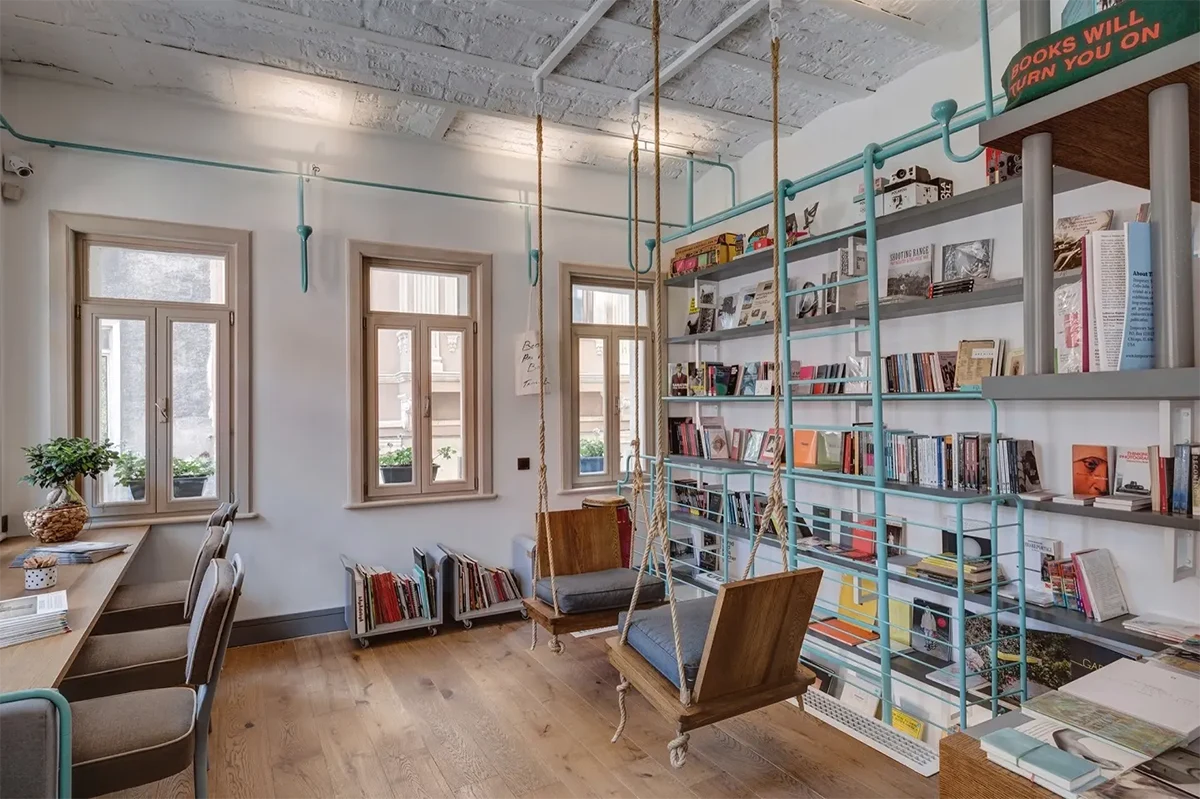
10. Book Cafe
A book café combines a specialty coffee shop with a curated bookstore to create a welcoming space for reading, working, and community events. Popular concepts include literature-themed menus, Blind Date with a Book, silent reading parties, author talks, book clubs, and evening wine or tapas events.
- Why it works: The business benefits from multiple revenue streams, including coffee, food, books, and ticketed events. A strong community atmosphere encourages longer visits, repeat customers, and customer loyalty that traditional cafés often struggle to achieve.
- Best for: Entrepreneurs passionate about books, students, remote workers, and neighborhoods with universities or active creative communities.
- Keep in mind: Customers tend to stay longer, so optimize seating to balance quiet reading areas with table turnover. Aim to keep rent between 8% and 12% of revenue, budget 30%–35% of revenue for labor, and start with a simple café menu before expanding into a full kitchen.
Health and Lifestyle Restaurant Ideas
11. Farm-to-Table Restaurant
A farm-to-table restaurant sources ingredients directly from local farms, growers, and producers to create seasonal menus that emphasize freshness, sustainability, and regional cuisine. Instead of relying on commercial distributors, the menu evolves with local harvests, giving chefs the flexibility to showcase ingredients at their peak.
- Why it works: Consumers increasingly value fresh, locally sourced, and transparent food, making farm-to-table restaurants well positioned to charge premium prices. Direct partnerships with local producers also strengthen community ties while supporting sustainable agriculture.
- Best for: Regions with active farmers’ markets, strong agricultural communities, and customers willing to pay more for seasonal, organic, and locally sourced meals.
- Keep in mind: Seasonal sourcing requires flexible menus and reliable supplier relationships. Plan for supply fluctuations by working with multiple farms and using preservation techniques such as fermenting, pickling, freezing, or greenhouse-grown produce to maintain year-round menu options.
12. Vegan Restaurant
A vegan restaurant serves a 100% plant-based menu without meat, dairy, eggs, or other animal products. Popular concepts include plant-based comfort food, fast-casual grain bowls and wraps, vegan pizzerias, sushi bars, and food trucks that make vegan dining more accessible to a wider audience.
- Why it works: Around 40% of North Americans actively incorporate more plant-based foods into their diets, creating demand that extends well beyond dedicated vegans. Wellness, sustainability, and animal welfare trends also continue to attract Millennials, Gen Z, and flexitarian consumers.
- Best for: Urban neighborhoods, college towns, and health-conscious communities near gyms, yoga studios, and wellness centers.
- Keep in mind: Your menu should appeal to flexitarians as well as vegans by focusing on bold flavors and satisfying textures rather than simply replacing meat. A storefront typically requires $175,500–$750,000 in startup capital, while platforms like HappyCow can help increase visibility among plant-based diners.
13. Vegetarian Restaurant
A vegetarian restaurant focuses on meat-free, plant-forward cuisine while allowing ingredients such as dairy and eggs. Popular concepts include global street food, botanical bistros, comfort-food diners, and farm-to-table cafés that showcase vegetables, legumes, grains, and seasonal produce instead of meat substitutes.
- Why it works: Growing interest in healthier eating and sustainable dining has expanded demand beyond vegetarians to flexitarians and health-conscious consumers. Cross-utilizing ingredients like chickpeas, grains, and seasonal vegetables across multiple dishes also helps reduce food waste and improve profitability.
- Best for: Urban areas, college towns, and communities where customers appreciate creative plant-forward cuisine inspired by Mediterranean, Indian, or Southeast Asian flavors.
- Keep in mind: Fresh produce requires careful inventory management to minimize spoilage. Build a menu around flavorful, satisfying dishes instead of basic salads, and plan for startup costs ranging from $175,500 to $750,000, depending on your location and restaurant size.
14. Gluten-Free Restaurant
A gluten-free restaurant serves meals made without wheat, barley, or rye in a kitchen designed to eliminate cross-contamination. Popular concepts include gluten-free bakeries, pizzerias, comfort-food cafés, and naturally gluten-free cuisines such as Mexican, Vietnamese, Indian, and Mediterranean restaurants.
- Why it works: People with celiac disease or severe gluten intolerance actively seek restaurants they can trust, creating exceptional customer loyalty. A dedicated gluten-free kitchen also appeals to health-conscious diners while facing far less competition than restaurants offering only a few gluten-free menu items.
- Best for: Urban areas with strong demand for specialty dining, entrepreneurs familiar with food allergies, and concepts where gluten-free alternatives add significant value, such as pizza, baked goods, or comfort food.
- Keep in mind: Zero cross-contamination is essential. Use dedicated fryers, ovens, toasters, and preparation equipment, source certified gluten-free ingredients (such as tamari instead of regular soy sauce), train staff on allergen protocols, and consider certification through programs like the Gluten-Free Food Program to build customer trust.
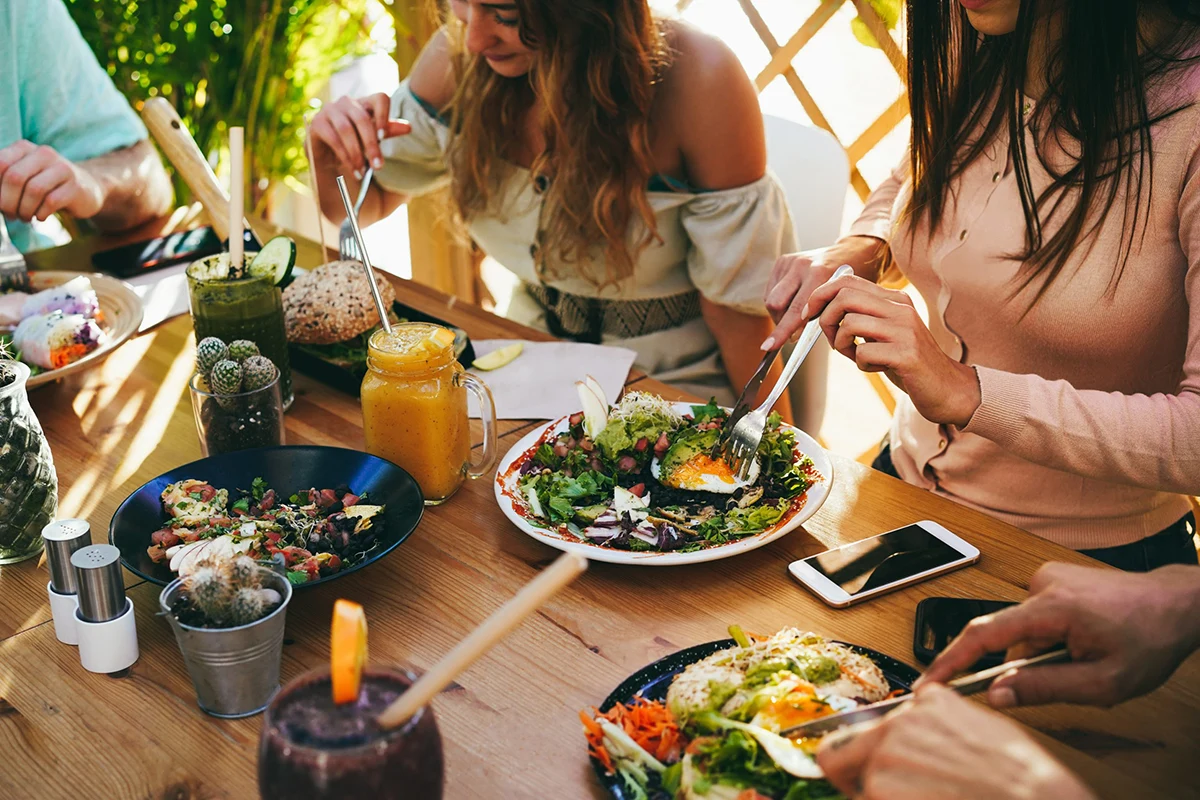
15. Healthy Meal Restaurant
A healthy meal restaurant focuses on nutritious, balanced meals made with fresh ingredients and transparent nutrition information. Popular concepts include macro-balanced bowl bars, meal-prep subscription services, ghost kitchens, and fast-casual restaurants serving grain bowls, salads, wraps, smoothies, and cold-pressed juices.
- Why it works: Growing demand for clean eating, functional nutrition, and personalized diets has created a broad customer base that includes gym-goers, busy professionals, and wellness-focused consumers. Assembly-style menus also simplify operations while supporting vegan, gluten-free, keto, and high-protein options.
- Best for: Locations near fitness centers, office districts, universities, coworking spaces, and neighborhoods with health-conscious customers.
- Keep in mind: Customers expect clear calorie counts, macronutrients, dietary labels, and ingredient transparency. Partner with local farms when possible, use healthier ingredient substitutions, and manage fresh inventory carefully to reduce spoilage and protect margins.
16. Organic Restaurant
An organic restaurant serves meals prepared with certified organic ingredients grown without synthetic pesticides, chemical fertilizers, antibiotics, or GMOs. Popular concepts include farm-to-table bistros, organic fast-casual restaurants, and plant-forward cafés offering seasonal grain bowls, cold-pressed juices, and locally sourced proteins.
- Why it works: More consumers are choosing organic, sustainably sourced food for health and environmental reasons, allowing restaurants to command premium pricing while building a strong brand around quality, transparency, and responsible sourcing.
- Best for: Farm-to-table concepts, wellness-focused communities, and neighborhoods near fitness centers, universities, or young professional districts.
- Keep in mind: Organic ingredients generally cost more and may be harder to source year-round, making seasonal menus and flexible sourcing essential. Build partnerships with local farms, showcase your suppliers through storytelling, and prioritize organic ingredients where customers notice the greatest value, such as fresh produce and signature dishes.
Trending Restaurant Business Ideas
17. Ghost Kitchen
A ghost kitchen is a delivery-only restaurant that operates from a commercial kitchen without a dining room or front-of-house staff. Orders are fulfilled through DoorDash, Uber Eats, Grubhub, or other delivery platforms, making it one of the most affordable ways to launch a restaurant business.
- Why it works: Startup costs typically range from $10,000–$50,000, far below the $200,000+ often required for a traditional restaurant. Lower rent, lean staffing, and the ability to operate multiple virtual brands from one kitchen help maximize profitability. Delivery-friendly menus such as fried chicken, wings, smash burgers, grain bowls, and salads also travel well and maintain quality.
- Best for: First-time restaurant owners, existing restaurants expanding into delivery, caterers, and entrepreneurs testing new food concepts with minimal financial risk. Renting space in a shared commercial kitchen is also a cost-effective way to launch.
- Keep in mind: Third-party delivery platforms charge significant commissions, so menu pricing and food costs must be carefully managed. Success also depends on delivery-optimized packaging, digital marketing, app visibility, and maintaining food quality after transportation.
18. Food Truck
A food truck is a mobile restaurant that serves customers at streets, festivals, breweries, office parks, and private events. Compared with a traditional restaurant, it requires a smaller team and significantly lower startup costs while allowing owners to move to high-demand locations.
- Why it works: A typical food truck costs around $60,000–$120,000 to launch and usually operates with just 1–3 employees. Keeping the menu to 4–7 core items improves service speed, reduces food waste, and simplifies operations. High-performing concepts include gourmet burgers, loaded fries, Asian fusion bowls, wood-fired pizza, specialty coffee, and dessert trucks selling churros, mini donuts, or ice cream sandwiches. Catering and private events provide additional revenue beyond street sales.
- Best for: First-time restaurateurs, chefs testing a new concept, and entrepreneurs targeting festivals, office districts, breweries, or community events before opening a permanent location.
- Keep in mind: Local health permits, parking regulations, zoning rules, and commissary kitchen requirements vary by city. Revenue can also fluctuate due to weather, while vehicle maintenance and equipment downtime can temporarily halt operations.
19. Pop-Up Restaurant
A pop-up restaurant is a temporary dining concept that operates in borrowed or unconventional spaces to test ideas, generate excitement, and build a customer base before opening a permanent location.
- Why it works: Pop-ups require far less investment than a permanent restaurant because they avoid long-term leases and expensive build-outs. Their limited-time nature creates exclusivity, FOMO (fear of missing out), and strong social media engagement. Popular concepts include prix fixe tasting menus, guest chef residencies, farm-to-table field dinners, themed dining experiences, and secret-location events hosted in art galleries, rooftops, or vacant storefronts.
- Best for: Chefs validating a new restaurant concept, existing restaurants launching seasonal experiences, and food businesses looking to build brand awareness before committing to a permanent space.
- Keep in mind: Temporary restaurants still require food service permits, health inspections, and venue approvals. Success depends on choosing the right venue, keeping the menu focused, planning portable kitchen equipment, and creating enough online buzz to sell out each event.
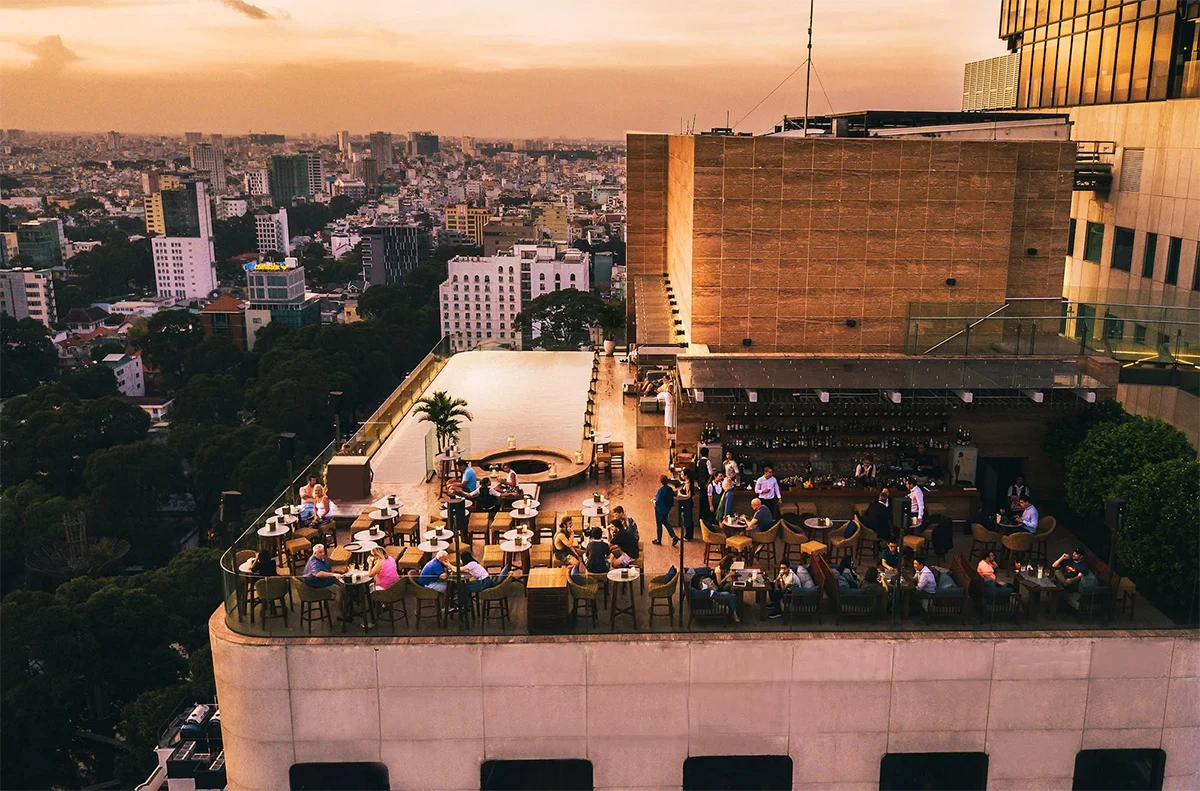
20. Rooftop Restaurant
A rooftop restaurant combines quality dining with panoramic views, creating a premium experience that supports higher menu prices and strong beverage sales. Popular concepts include sunset lounges, farm-to-table garden bistros, rooftop brunch cafés, and cocktail bars with live entertainment.
- Why it works: Guests pay for the experience as much as the food, making craft cocktails, wine, tapas, and shareable plates highly profitable. Rooftops can also generate additional revenue by hosting private events, weddings, corporate gatherings, and weekend brunches. Features such as microgreen gardens, retractable roofs, and heated pergolas further enhance the guest experience.
- Best for: Urban skylines, waterfronts, mountain destinations, hotels, and mixed-use developments targeting couples, tourists, and young professionals seeking memorable dining experiences.
- Keep in mind: Weather can significantly impact revenue, so consider retractable canopies, wind barriers, or climate-control systems. Efficient food delivery from the kitchen—using a satellite kitchen, dedicated service station, or dumbwaiter—is essential. You’ll also need to comply with structural load limits, occupancy regulations, accessibility requirements, and local building codes.
21. Floating Restaurant
A floating restaurant offers dining on a barge, dock, or boat, creating a unique waterfront experience that is difficult for traditional restaurants to replicate. Concepts range from stationary floating restaurants and seafood venues to luxury dinner cruises and mobile food boats.
- Why it works: Waterfront views naturally attract tourists and social media attention, allowing operators to charge premium prices for the experience. Beverage-focused concepts, sunset dining, and private events often deliver higher margins than food alone, while distinctive venues generate free word-of-mouth marketing.
- Best for: Lakes, rivers, harbors, marinas, and coastal destinations with strong tourism or boating communities. Seafood restaurants, waterfront bars, and experiential dining concepts benefit most from this model.
- Keep in mind: Floating restaurants require higher investment and ongoing maintenance because of saltwater corrosion, moisture, and marine conditions. Operations also depend on reliable power, water, waste management, and transportation logistics. In addition to restaurant licenses, owners must comply with maritime, environmental, and public safety regulations.
22. Zero-Waste Restaurant
A zero-waste restaurant minimizes landfill waste by redesigning purchasing, food preparation, and packaging around a closed-loop system. It combines sustainable sourcing with creative cooking techniques to maximize every ingredient.
- Why it works: Techniques such as root-to-stem cooking, nose-to-tail utilization, fermentation, upcycling, and on-site composting reduce food waste and purchasing costs while creating unique signature dishes. Hyperlocal sourcing, reusable packaging, keg beverages, and refillable condiment stations also strengthen the restaurant’s sustainability story and appeal to environmentally conscious diners.
- Best for: Eco-conscious cities, farm-to-table restaurants, cafés, tasting-menu concepts, and businesses that already work closely with local farms or producers.
- Keep in mind: Running a true zero-waste operation requires additional preparation time, staff training, and reliable suppliers that support reusable packaging. Success also depends on local composting and recycling infrastructure, making careful operational planning essential.
23. Tech-Enabled Restaurant
A tech-enabled restaurant uses automation, AI, and connected digital systems to improve speed, reduce labor costs, and deliver a more personalized customer experience. Technology is integrated across both front-of-house and back-of-house operations.
- Why it works: Self-service kiosks, QR-code menus, mobile ordering, Kitchen Display Systems (KDS), AI-powered demand forecasting, smart inventory management, and IoT sensors improve efficiency while reducing waste. Integrated POS systems and loyalty programs also increase repeat visits through personalized promotions and AI-powered upselling.
- Best for: Fast-casual restaurants, Quick Service Restaurants (QSRs), ghost kitchens, and high-volume urban locations where operational efficiency directly impacts profitability.
- Keep in mind: Technology requires significant upfront investment in software, hardware, and system integration. Restaurants should balance automation with human hospitality, while maintaining reliable technical support to minimize downtime and service disruptions.
Unique Restaurant Concepts
24. Dinner Theater
A dinner theater combines a multi-course meal with live entertainment, turning dinner into a ticketed experience. Popular formats include murder mystery dinners, musical comedy revues, cabaret performances, interactive historical shows, and chef’s table experiences featuring tableside cooking or molecular gastronomy.
- Why it works: Revenue comes from ticket sales, food, beverages, and private event bookings, resulting in a higher average spend than a traditional restaurant. The immersive experience encourages repeat visits, generates strong word-of-mouth marketing, and creates ideal opportunities for birthdays, corporate events, and special occasions.
- Best for: Entertainment districts, tourist destinations, boutique hotels, and restaurateurs looking to differentiate through themed dining experiences rather than food alone.
- Keep in mind: Success depends on synchronizing kitchen operations with the performance schedule so meals are served between acts without disrupting the show. Limited, well-planned menus improve service speed, while performance rights, entertainment licensing, and ticketing platforms require additional planning.
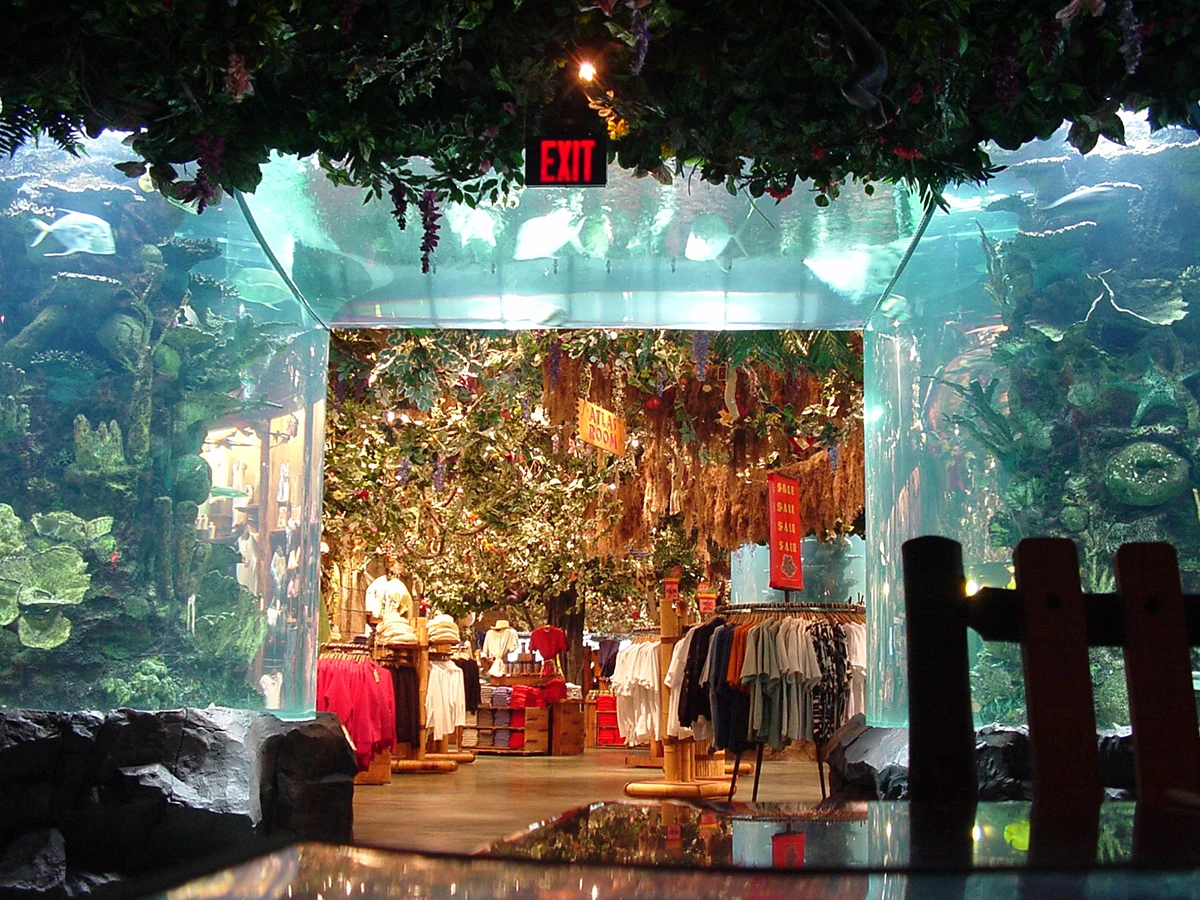
25. Themed Restaurant
A themed restaurant creates an immersive experience by aligning its menu, interior design, music, uniforms, and service around a single concept. Themes can range from retro diners, medieval banquets, and cyberpunk cafés to cat cafés, movie-inspired venues, or other pop-culture experiences.
- Why it works: A memorable theme naturally attracts social media attention, encourages customer photos, and differentiates the restaurant in a crowded market. When paired with quality food, themed restaurants often build strong customer loyalty and become destination dining experiences.
- Best for: Tourist areas, shopping districts, entertainment hubs, and entrepreneurs targeting niche communities or fans of specific cultures, historical periods, or fictional worlds.
- Keep in mind: Custom décor, props, lighting, costumes, and themed tableware significantly increase startup costs. Long-term success depends on maintaining excellent food and service quality, as novelty alone rarely sustains repeat business.
26. Pet-Friendly Cafe
A pet-friendly cafe welcomes customers and their pets by offering dedicated pet amenities, outdoor seating, and in some cases, pet-friendly menus. Many successful concepts combine specialty coffee with community events for local pet owners.
- Why it works: Pet owners often become loyal repeat customers when they find places that genuinely accommodate their animals. Additional revenue comes from pet treats, branded merchandise, toys, birthday parties, adoption events, and partnerships with local shelters, groomers, or trainers.
- Best for: Neighborhoods with strong dog-walking culture, parks, residential communities, and locations with spacious outdoor patios or courtyards that comply with local regulations.
- Keep in mind: Health codes often prohibit animals in food preparation areas, making separate pet zones or outdoor “pawtios” essential. Use durable, easy-to-clean materials, provide water stations and waste disposal areas, and ensure all pet menu items avoid harmful ingredients such as xylitol, chocolate, garlic, and onions.
27. Solo Dining Cafe
A solo dining cafe is designed specifically for people who enjoy eating alone, with single-person seating, individual portions, and a comfortable atmosphere that removes the awkwardness of solo dining. Popular features include micro-booths, window counter seats, chef’s counters, and QR-code ordering or self-service kiosks.
- Why it works: Single-person households account for over 28% of the population, creating steady demand for solo-friendly dining. Individual customers typically finish meals faster than groups, improving table turnover while reducing the need for large dining spaces. Single-serve tasting menus, bento boxes, and customizable meal combinations also increase average order value without encouraging food waste.
- Best for: Downtown business districts, transit hubs, college towns, and neighborhoods with professionals, remote workers, business travelers, or residents living alone.
- Keep in mind: Offer a variety of seating options, including private booths, window bars, and communal tables for different comfort levels. Small touches such as charging outlets, bag hooks, books, and open-kitchen views help guests feel more relaxed, while digital ordering lets diners control the pace of their meal.
28. Community Dinner Events
Community dinner events bring people together through shared meals, creating memorable experiences while helping restaurants build customer loyalty and generate traffic during slower business hours. Formats include family-style dinners, farm-to-table producer dinners, cultural heritage nights, neighborhood cook-offs, and chef collaboration events.
- Why it works: Community events strengthen relationships with local customers, encourage repeat visits, and generate word-of-mouth marketing. Fixed-price tickets simplify menu planning, reduce food waste, and provide predictable revenue before the event begins. Partnerships with local farmers, breweries, bookstores, running clubs, or cultural organizations can further expand your audience.
- Best for: Neighborhood restaurants, cafés, farm-to-table concepts, trattorias, and newly opened restaurants looking to establish themselves as community gathering spaces.
- Keep in mind: Keep events relatively intimate—around 15–30 guests—to encourage conversation and create a welcoming atmosphere. Offer vegetarian or allergy-friendly alternatives when serving a fixed menu, and require advance reservations to manage seating capacity, ingredient purchasing, and kitchen operations efficiently.
Restaurant-Related Business Ideas
29. Catering Business
A catering business prepares and delivers food for off-site events, including corporate meetings, weddings, private parties, and festivals. Compared with a traditional restaurant, it requires lower startup costs because you can operate from a commissary kitchen or shared commercial kitchen. Popular services include boxed lunches, taco bars, BBQ buffets, pasta stations, meal prep, and full-service event catering.
- Why it works: Large event bookings generate higher average order values than individual restaurant sales, while recurring corporate catering provides predictable revenue. Operating without a dining room also reduces rent, front-of-house labor, and daily overhead, allowing you to scale into weddings, private events, or food truck catering over time.
- Best for: Chefs, food entrepreneurs, and restaurant owners looking to expand beyond dine-in service or test a concept before opening a brick-and-mortar location.
- Keep in mind: Obtain all required health permits and food safety certifications, invest in insulated transport equipment to maintain food quality, and diversify between corporate, social, and wedding clients to reduce seasonal fluctuations.
30. Cooking Classes
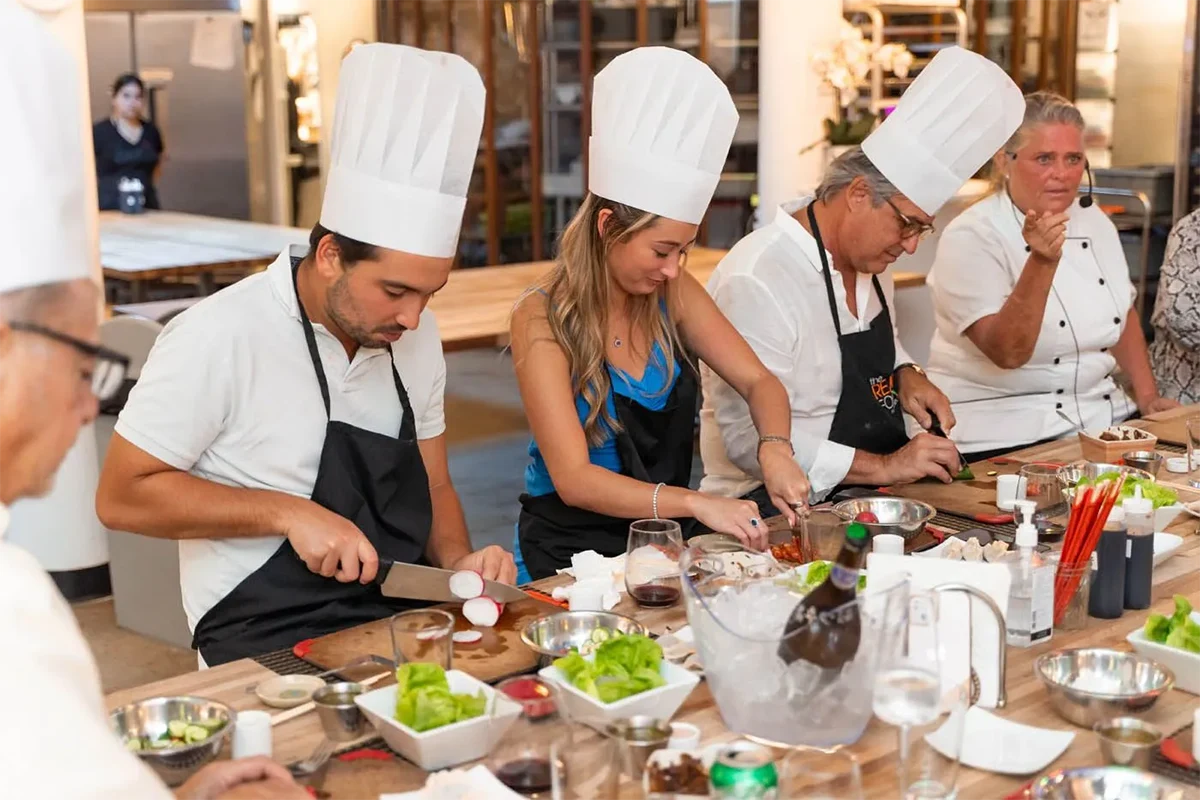
A cooking class business transforms a restaurant or commercial kitchen into an experience-driven business by teaching culinary skills through chef demonstrations, hands-on workshops, or themed classes. Popular topics include pasta making, sushi rolling, artisan baking, regional cuisine, knife skills, and date-night cooking experiences. Many businesses also sell recipe kits or online courses alongside in-person classes.
- Why it works: Fixed-price classes often deliver higher profit per guest than regular dining while generating revenue during off-peak hours. They also strengthen customer loyalty, increase repeat visits, and create additional sales opportunities through merchandise, cookbooks, ingredient kits, and future classes.
- Best for: Independent restaurants, bakeries, culinary schools, specialty cafés, and chefs with signature recipes or unique culinary expertise.
- Keep in mind: Offer either demonstration-style or hands-on classes based on your kitchen capacity, keep class sizes small enough for personalized instruction, and ensure your booking system, liability insurance, and local food safety regulations support customer participation.
Restaurant Business Ideas FAQs
What is the most profitable restaurant business?
The most profitable restaurant businesses are often those with lower overhead costs and strong demand, such as food trucks, ghost kitchens, specialty cafés, and fast-casual concepts. Profitability depends on factors like location, pricing, food costs, and operational efficiency.
What are the most popular restaurant concepts today?
Popular restaurant concepts include fast-casual dining, coffee shops, healthy food restaurants, delivery-focused kitchens, and experience-based dining. These models attract customers by offering convenience, unique menus, or memorable experiences.
What type of restaurant is easiest to start?
Small-scale concepts like food trucks, pop-up restaurants, catering services, and home-based food businesses are usually easier to start because they require less upfront investment and lower operating costs than traditional restaurants.
How do I choose the right restaurant business idea?
Choose a restaurant idea based on your budget, skills, target customers, location, and market demand. A good concept should match your resources while offering a clear value proposition to customers.
Can I start a restaurant business with a small budget?
Yes. You can start with a smaller model such as a food truck, catering service, delivery-only kitchen, or small café. Starting small allows you to test your concept and grow gradually before making a larger investment.
Recommended Reading