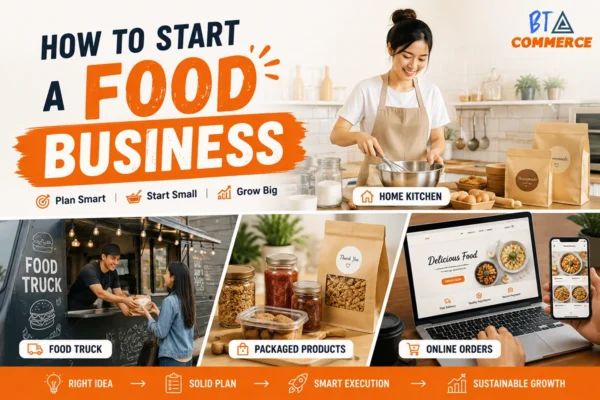
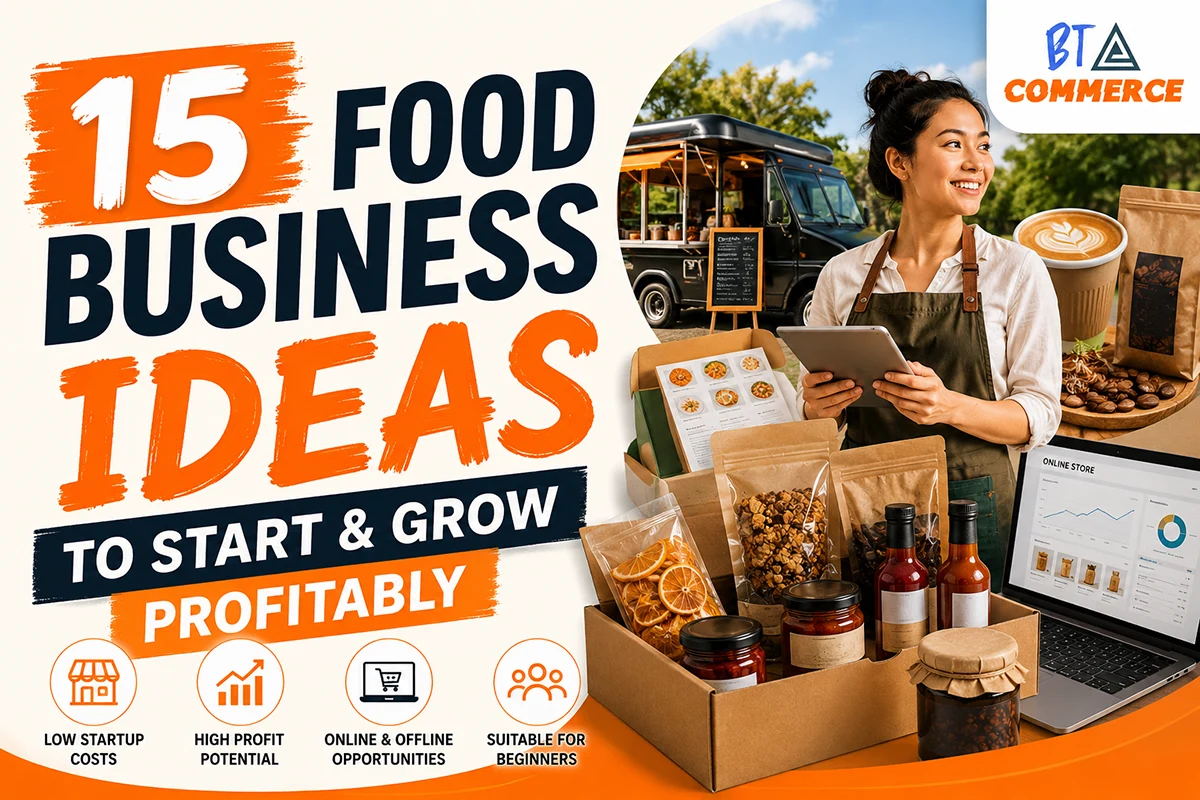
If you’ve been thinking about starting a food business, opening a traditional restaurant isn’t your only option. Many of today’s successful food brands started with smaller ideas—meal kits, snack products, catering services, online food stores, and even home-based businesses.
In this guide, you’ll discover 15 food business ideas with strong profit potential, along with practical insights to help you find an option that matches your budget, skills, and long-term goals.
=> Read more:
- 750+ Food Business Name Ideas: Unique, Catchy & Creative
- 20 Clothing Business Ideas That You Can Start Today
- 37 Online Business Ideas for Beginners (Low Cost & Scalable)
- 100+ Small Business Ideas (Low-Cost & Profitable)
15 Best Food Business Ideas to Start
1. Food Truck Business
What it is: A food truck business operates as a mobile kitchen that serves customers in high-traffic locations such as downtown areas, festivals, campuses, and private events. Compared to a traditional restaurant, it offers more flexibility while requiring a smaller upfront investment.
Startup cost: Approximately $50,000–$150,000+, depending on the truck type, equipment, permits, and initial inventory.
Profit potential: Moderate to high. Successful food trucks can generate strong revenue, especially when combining daily sales with private events and catering opportunities.
Best for: Entrepreneurs who enjoy fast-paced environments, direct customer interaction, and hands-on operations.
Things to consider:
- Local permits and regulations may vary significantly by city.
- Weather and seasonal demand can affect daily sales.
- Parking locations and event access often influence profitability.
Quick tip: Avoid creating a large menu in the beginning. Focus on a few signature items that are easy to prepare quickly and have strong margins.

2. Coffee Shop
What it is: A coffee shop sells beverages such as espresso drinks, brewed coffee, tea, and light snacks. Many modern coffee shops also function as social spaces, study spots, or remote work environments.
Startup cost: Approximately $80,000–$275,000+, depending on store size, location, equipment, and interior setup.
Profit potential: High when managed efficiently. Coffee beverages often have strong margins, while additional revenue from pastries, merchandise, and specialty products can increase overall profitability.
Best for: Entrepreneurs who enjoy creating customer experiences, building a local community, and managing repeat business.
Things to consider:
- Location plays a major role in customer traffic.
- Competition can be intense in busy areas.
- Daily operations require consistent inventory and staff management.
Quick tip: Expand beyond coffee alone. Partnering with local bakeries or selling branded products can diversify revenue without significantly increasing operating costs.
3. Bakery Business
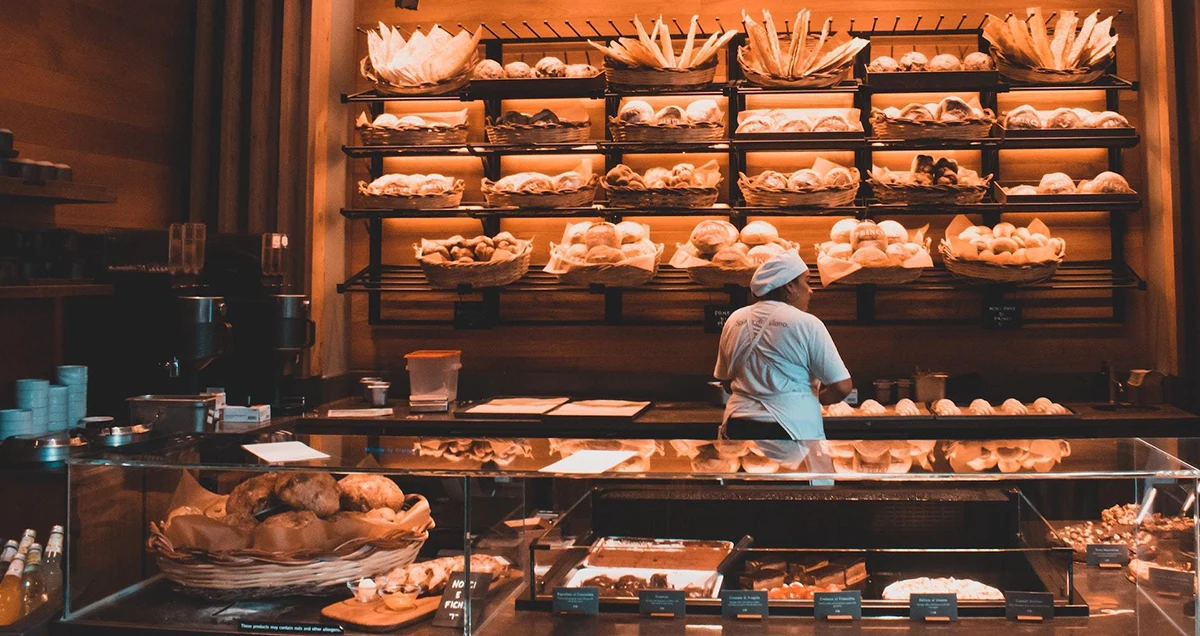
What it is: A bakery business creates and sells products such as cakes, cookies, bread, pastries, and specialty treats. Some businesses focus on custom orders, while others target niche categories such as gluten-free, vegan, or handcrafted products.
Startup cost: Approximately $5,000–$100,000+, depending on whether you start from home, operate a retail store, or build a larger production setup.
Profit potential: Moderate to high. Specialty products and custom orders often generate stronger margins than general baked goods.
Best for: People with baking skills who want a creative business model with opportunities for branding and product expansion.
Things to consider:
- Fresh products have shorter shelf life and can increase waste.
- Offering too many products can create operational complexity.
- Local regulations may affect home-based baking businesses.
Quick tip: Choose a niche instead of trying to sell everything. Becoming known for one category—such as gourmet cookies, specialty cakes, or custom treats—can help you stand out faster.
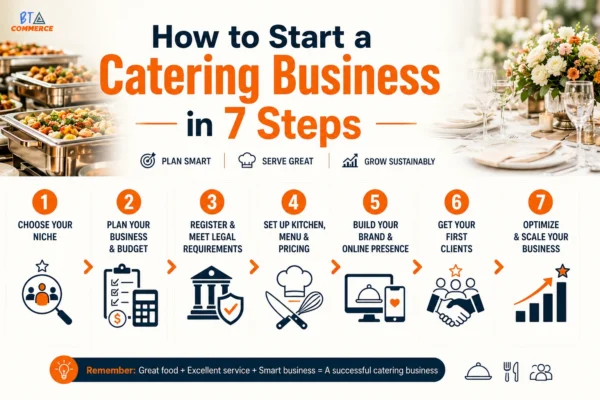
4. Catering Service
What it is: A catering service prepares and serves food for events such as weddings, corporate functions, private parties, and social gatherings. Businesses can operate from a commercial kitchen and provide services on-site or through food delivery setups.
Startup cost: Approximately $10,000–$50,000+, depending on kitchen setup, transportation needs, equipment, and staffing requirements.
Profit potential: High. Catering businesses can benefit from bulk purchasing and premium pricing, particularly for weddings, business events, and recurring corporate clients.
Best for: Entrepreneurs with strong cooking skills, organization abilities, and experience managing large orders and event logistics.
Things to consider:
- Event-based demand may create seasonal fluctuations.
- Food transportation and storage require strict quality and safety controls.
- Staffing needs can increase quickly as order volume grows.
Quick tip: Build relationships with local event venues, wedding planners, and businesses to create a steady stream of recurring bookings.
5. Meal Kit Business
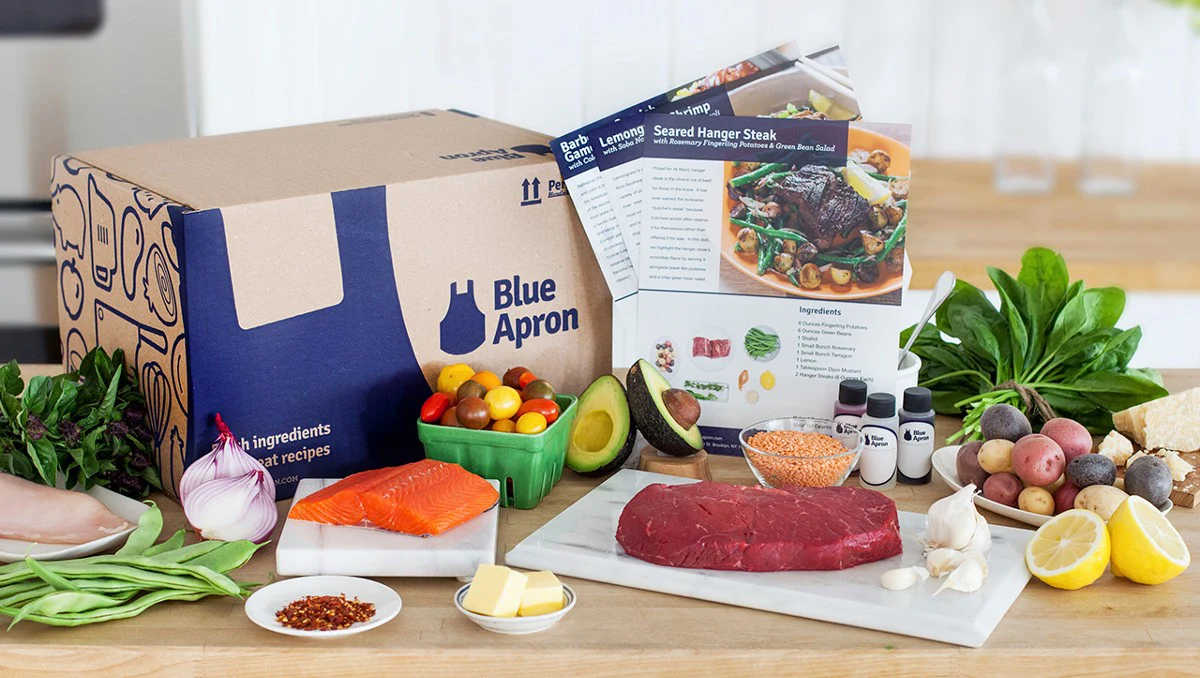
What it is: A meal kit business delivers pre-portioned ingredients and cooking instructions that allow customers to prepare meals at home without planning recipes or shopping for groceries.
Startup cost: Approximately $5,000–$20,000+, depending on packaging, kitchen requirements, and delivery operations.
Profit potential: Medium to high. Subscription-based models create recurring revenue and direct-to-consumer (DTC) opportunities while improving customer retention over time.
Best for: Entrepreneurs interested in food products, ecommerce, subscription models, and customer convenience.
Things to consider:
- Fresh ingredients require reliable packaging and delivery systems.
- Customers may lose interest if menus become repetitive.
- Shipping costs can significantly impact profitability.
Quick tip: Start with a small geographic area before expanding. This helps test recipes, delivery efficiency, and customer demand with lower risk.
6. Personal Chef Service
What it is: A personal chef service provides customized meal preparation for individual clients or families based on dietary preferences, health goals, or lifestyle needs.
Startup cost: Approximately $1,000–$5,000+, making it one of the lower-cost food business ideas to start.
Profit potential: High. Premium pricing and recurring clients can create strong income opportunities with relatively low overhead costs.
Best for: Skilled cooks or chefs who enjoy personalized experiences and working directly with clients.
Things to consider:
- Building trust and a professional reputation is essential.
- Client acquisition may take time in the beginning.
- Customized menus and schedules can require significant planning.
Quick tip: Create recurring meal packages instead of one-time services. Subscription-style weekly plans can help generate more predictable income.
7. Cooking Classes
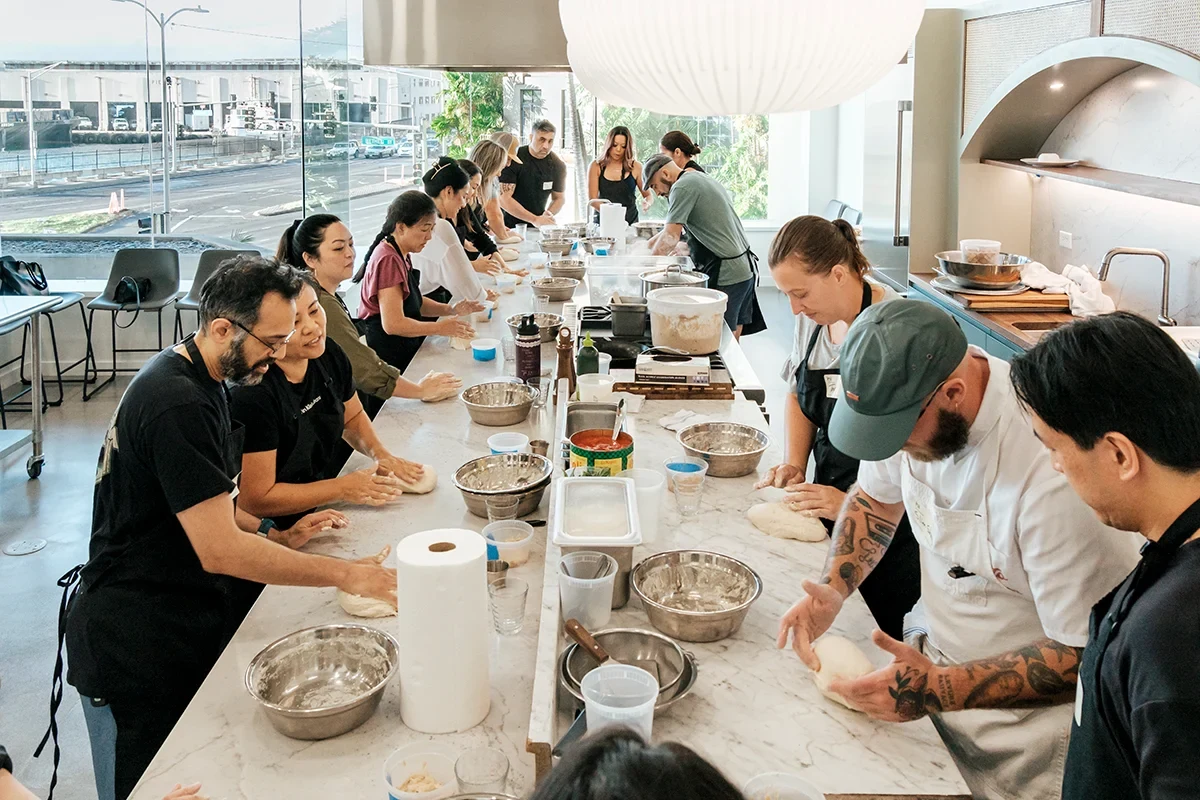
What it is: A cooking class business teaches culinary skills through in-person workshops or virtual sessions. Classes can focus on specific topics such as baking, healthy cooking, international cuisine, meal prep, or beginner-friendly recipes.
Startup cost: Approximately $500–$3,000+, depending on kitchen equipment, class materials, and whether you offer online sessions.
Profit potential: Medium to high. Revenue can grow through group classes, private lessons, recorded courses, and subscription-based content.
Best for: Chefs, experienced home cooks, or people who enjoy teaching and engaging with audiences.
Things to consider:
- Building an audience may take time at the beginning.
- Food safety regulations and business licenses can vary by location.
- Online classes require quality video and audio setup to improve the learning experience.
Quick tip: Start with a small class or virtual workshop to test demand before expanding into larger programs or premium courses.
8. Healthy Snack Brand
What it is: A healthy snack brand develops and sells products such as protein bars, dried fruits, trail mixes, low-sugar snacks, or diet-specific products designed for health-conscious consumers.
Startup cost: Approximately $2,000–$10,000+, depending on ingredients, packaging, production volume, and product testing.
Profit potential: High. Strong branding and repeat purchases can create attractive long-term margins, especially for subscription or direct-to-consumer models.
Best for: Entrepreneurs interested in nutrition, wellness trends, or creating products for specific dietary needs.
Things to consider:
- Product quality and taste must remain consistent as production scales.
- Packaging and nutritional labeling requirements can increase costs.
- Competition can be strong in the health and wellness market.
Quick tip: Test products through local markets or online channels before investing heavily in large-scale production.
9. Sauce and Condiment Business
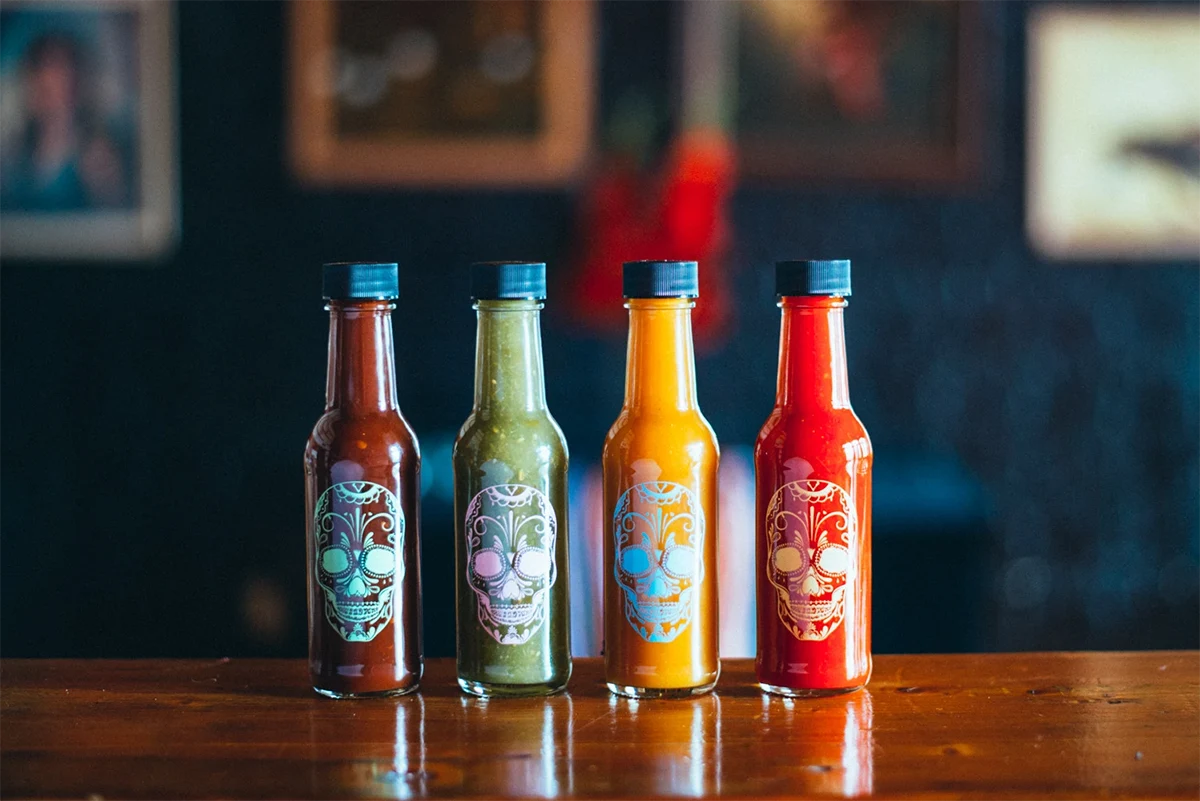
What it is: A sauce and condiment business creates and sells products such as hot sauces, marinades, salad dressings, dipping sauces, or specialty flavor blends. Many brands begin with small-batch production and expand through ecommerce or retail partnerships.
Startup cost: Approximately $3,000–$15,000+, depending on production equipment, packaging, ingredient sourcing, and branding.
Profit potential: High. Condiments often have good margins and can scale effectively through repeat purchases and wholesale opportunities.
Best for: Entrepreneurs with unique recipes and an interest in product branding and consumer packaged goods.
Things to consider:
- Food safety and preservation standards are important for long shelf life.
- Packaging, shelf-life stability, and food labeling requirements can directly affect scalability.
- Standing out may be difficult without a unique flavor or positioning.
Quick tip: Focus on a clear niche or signature flavor instead of offering too many options early on. Strong branding often matters as much as the product itself.
10. Homemade Jam Business
What it is: A homemade jam business creates and sells small-batch products such as jams, jellies, fruit preserves, or specialty spreads. Many businesses begin with homemade recipes and later expand into online stores, local markets, or retail partnerships.
Startup cost: Approximately $150–$500+, making it one of the most affordable food business ideas to start.
Profit potential: Moderate to high. Since ingredients are relatively inexpensive, unique products and strong branding can create attractive margins.
Best for: Home cooks, hobby bakers, and entrepreneurs looking for a low-cost business with room for growth.
Things to consider:
- Food labeling and local regulations may apply to home-based production.
- Product consistency becomes more important as production volume increases.
- Seasonal ingredients can affect availability and pricing.
Quick tip: Create seasonal flavors or gift packages during holidays to encourage repeat purchases and increase average order value.
11. Subscription Food Box
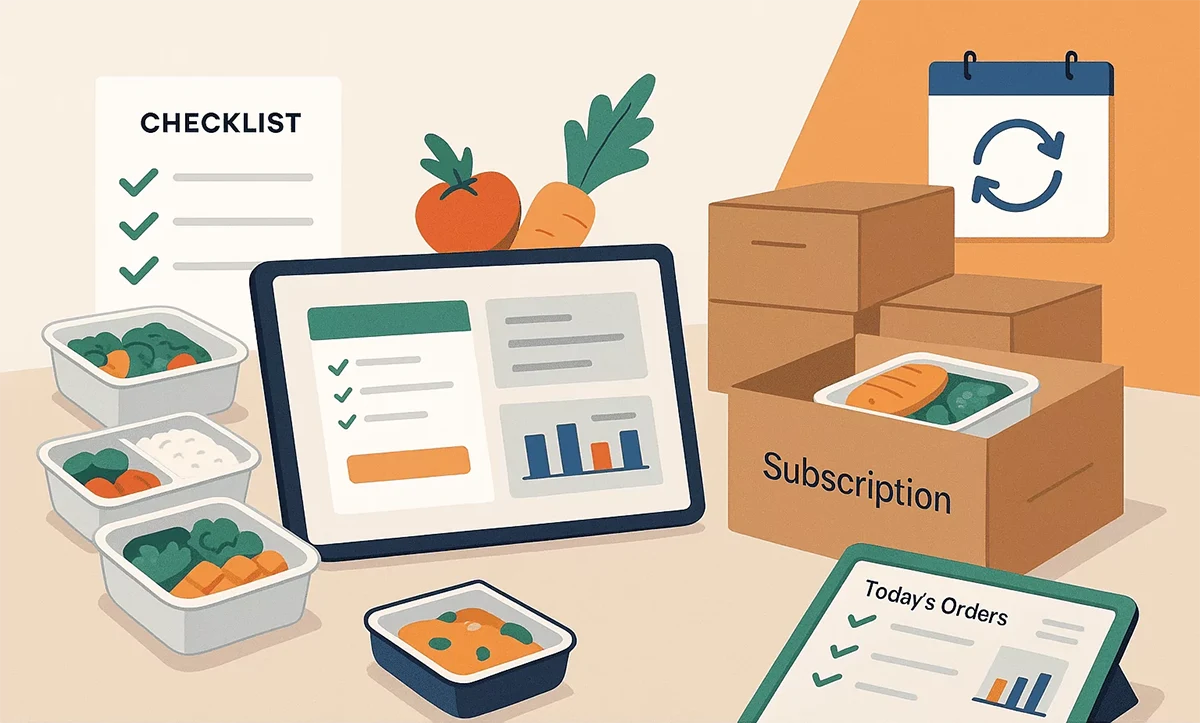
What it is: A subscription food box business delivers curated products on a recurring schedule, such as snack collections, coffee selections, baking kits, healthy foods, or specialty ingredients.
Startup cost: Approximately $1,000–$5,000+, depending on inventory, packaging, and ecommerce setup.
Profit potential: Moderate to high. Subscription models can generate recurring revenue and improve customer retention over time.
Best for: Entrepreneurs interested in ecommerce, content marketing, and building long-term customer relationships.
Things to consider:
- Customer retention can be challenging if products become repetitive.
- Packaging and shipping costs may reduce margins.
- Managing inventory requires accurate demand forecasting.
Quick tip: Add exclusive products, recipe cards, or small surprise items to create a better customer experience and encourage renewals.
12. Frozen Food Business
What it is: A frozen food business develops products such as ready-to-eat meals, frozen snacks, desserts, or specialty foods designed for convenience and long-term storage.
Startup cost: Approximately $10,000–$50,000+, depending on kitchen setup, freezing equipment, packaging, and distribution needs.
Profit potential: High. Longer shelf life can reduce food waste while allowing businesses to scale production more efficiently.
Best for: Experienced food entrepreneurs, chefs, or business owners interested in product manufacturing and larger-scale operations.
Things to consider:
- Cold-chain storage and transportation can increase operating costs.
- Food safety regulations and labeling requirements are strict.
- Entering retail channels often requires strong branding and consistent production quality.
Quick tip: Focus on a specific niche, such as vegan meals, protein-focused products, or diet-friendly options, to differentiate your brand in a competitive market.
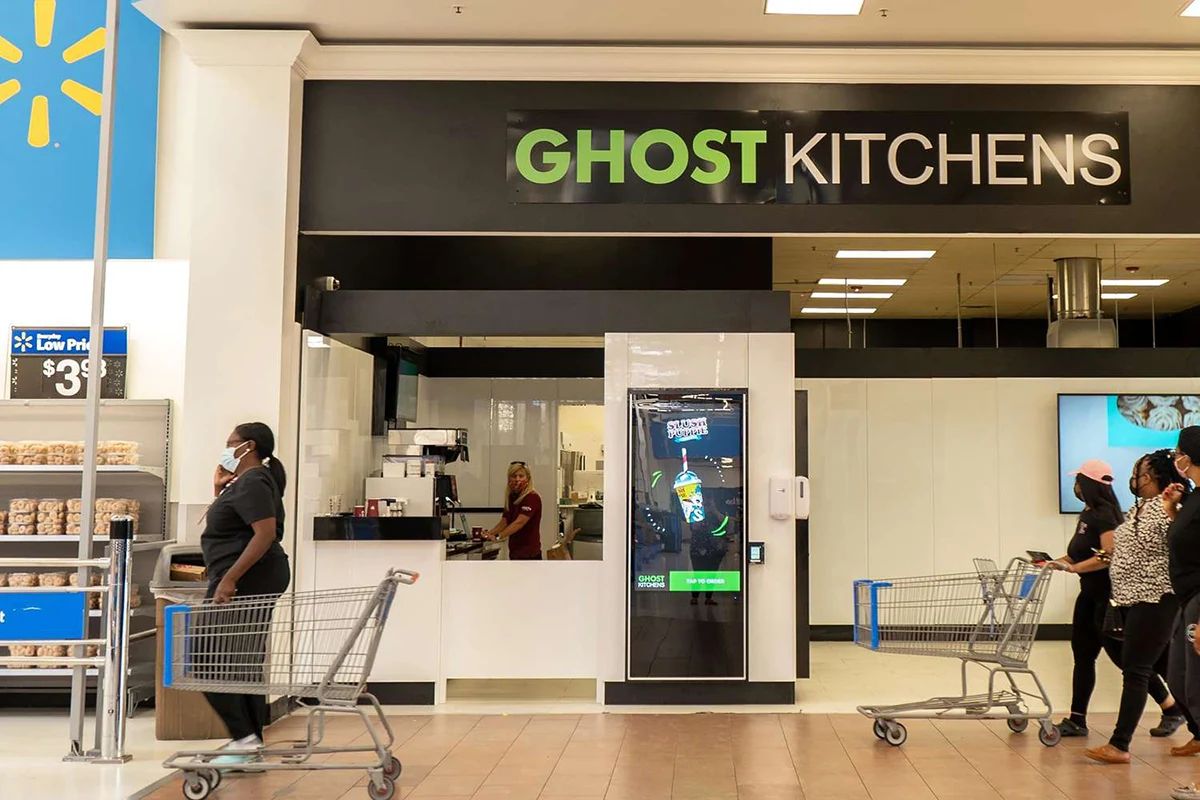
13. Ghost Kitchen
What it is: A delivery-only restaurant that operates out of a commercial kitchen space without a traditional dining room.
Startup cost: $20,000 to $50,000 (often lower if renting a shared or pod kitchen).
Profit potential: Moderate to High (10–15% profit margins due to reduced overhead/staffing).
Best for: Experienced restaurateurs and culinary entrepreneurs wanting to focus strictly on food quality and delivery volume.
Things to think about: Heavy reliance on third-party delivery apps (e.g., DoorDash, UberEats) and their associated commission fees.
Quick tip: Design a menu optimized to travel well; test how items hold their temperature and texture before launch.
14. Online Food Marketplace
What it is: A digital platform or e-commerce website that connects local food vendors, home cooks, or specialty farmers with hungry consumers.
Startup cost: $3,000 to $15,000 (depends on custom app development versus using a template).
Profit potential: High (typically taking a 10–25% transaction fee or commission on all sales).
Best for: Tech-savvy entrepreneurs with a strong network in the local food and agriculture community.
Things to think about: The “chicken and egg” dilemma of needing buyers to attract sellers, and vice versa.
Quick tip: Start locally by focusing on a hyper-niche market (e.g., strictly vegan products or gluten-free baked goods) before expanding.
15. Food Blog or Content Business
What it is: A platform (blog, YouTube channel, or social media presence) focused on sharing recipes, restaurant reviews, or cooking tutorials.
Startup cost: $50 to $500 (domain, hosting, and basic camera equipment).
Profit potential: Very High over time (through ad revenue, sponsored posts, and affiliate marketing).
Best for: Passionate home cooks with strong writing, photography, or video-editing skills.
Things to think about: It takes significant time and consistent content creation before seeing substantial revenue.
Quick tip: Focus on SEO-optimized recipes and engaging short-form video (like TikTok or Instagram Reels) to drive rapid traffic growth.
How to Choose the Right Food Business Idea
Choosing the right food business idea means matching your resources with real market opportunities. Before getting started, consider these factors:
- Startup budget: Know how much you can realistically invest. Home-based businesses like baked goods or meal prep can often start for under $1,000, while food trucks and physical restaurants may require $75,000–$250,000+.
- Skills and experience: Build around what you already do well. Culinary skills may fit catering or personal chef services, while marketing or ecommerce experience can support online food brands.
- Online vs. local business model: Online businesses usually have lower startup barriers and wider reach, while local businesses often require more licensing and location planning but can build stronger customer loyalty.
- Market demand: Do not rely on passion alone. Research trends, study competitors, and test your idea with small launches or local events before investing heavily.
- Profit potential and scalability: Consider long-term growth, not just sales. Traditional food businesses often operate with 3–5% net margins, while models like packaged foods or ghost kitchens can reach 10–30%, making them easier to scale.
Best Small Food Business Ideas With Low Startup Costs
Starting a food business does not always require a commercial kitchen or a large investment. Many small food businesses can begin from home, test demand quickly, and scale over time. Here are some practical low-cost options:
- Homemade baked goods: Sell products such as cookies, cakes, breads, or specialty desserts using equipment you already have. Check local cottage food laws because some regions allow home-based food businesses without requiring a commercial kitchen.
- Meal prep services: Prepare ready-to-eat meals for busy professionals or health-focused customers. Subscription plans can help create predictable recurring revenue.
- Sauces and condiments: Signature sauces, marinades, or spice blends often have longer shelf lives, making them easier to manage and sell online.
- Snack products: Small-batch snacks like granola, trail mix, or gourmet popcorn are easy to package, transport, and customize for specific niches.
- Cooking classes: Virtual or in-person classes require little inventory and can generate income from your skills rather than physical products.
- Food blogging: A blog, YouTube channel, or social media brand has one of the lowest startup costs and can later expand into ads, sponsorships, or affiliate revenue.
Best Food Products to Sell Online
Selling food online works best when products are easy to ship, have strong margins, and encourage repeat purchases. Instead of focusing only on popular products, look for categories with growing demand and opportunities to build a recognizable brand.
- Snacks: Healthy snacks, protein-rich products, low-carb options, and functional snacks continue to attract consumers looking for convenient alternatives. They are also relatively easy to package and ship.
- Sauces: Specialty sauces, hot sauces, marinades, and unique flavor combinations can stand out in a crowded market. Products with longer shelf lives are often easier to manage and scale online.
- Coffee products: Specialty coffee beans, cold brew products, and premium coffee blends can generate repeat purchases because customers often buy them regularly.
- Organic products: Consumers increasingly look for organic and naturally sourced foods, including dried fruits, wellness products, and clean-label ingredients.
- Subscription boxes: Curated food boxes built around themes such as snacks, coffee, or international foods can create recurring revenue while increasing customer retention.
- Homemade specialty foods: Small-batch products such as jams, baked goods, flavored honey, and artisan foods can help smaller businesses differentiate themselves with unique offerings. Always review local food regulations before selling homemade products online.
How to Start a Food Business in 5 Steps
Launching a food business becomes easier when you break the process into clear and manageable steps:
- Research your market: Identify your target audience, study competitors, and look for opportunities in growing niches or underserved markets.
- Validate demand: Test your idea with a small audience through local events, social media, or sample sales before investing heavily.
- Build your brand identity: Create a unique selling point, brand style, and message that help customers remember your business.
- Create your online presence: Build a website, set up local business profiles, and use quality product photos to make your business easier to discover.
- Market and grow your business: Use social media, customer reviews, and ongoing feedback to attract new customers and improve your business over time.
=> Read more: How to Start a Food Business Step-by-Step Guide
Food Business Ideas FAQs
What is the most profitable food business?
Food trucks, ghost kitchens, specialty coffee brands, and high-volume food concepts are often among the most profitable because they can reduce overhead costs while serving a large number of customers.
What food business can I start from home?
Popular home-based options include baked goods, sauces, jams, specialty snacks, and meal prep services. Many of these can start with relatively low investment depending on local food regulations.
What food products sell best online?
Products that are easy to ship and have longer shelf lives typically perform best. Popular examples include snacks, coffee products, sauces, subscription boxes, and homemade specialty foods.
How much money do I need to start a food business?
Startup costs vary by business model. Home-based businesses may start for $500–$1,500, while meal prep services or shared kitchens can require $5,000–$15,000. Larger concepts like food trucks or ghost kitchens may need $20,000–$50,000+.
What food business is easiest for beginners?
Home-based food businesses are usually the easiest starting point because they require less investment and lower risk. Common beginner-friendly options include baked goods, meal prep services, food blogging, and selling small-batch specialty products.
Recommended Reading