Boutique business ideas offer entrepreneurs a practical way to build a profitable retail business by serving a specific niche market. Whether you want to launch an online store or a physical boutique, choosing the right products and target audience is key to building a successful brand.
In this guide, BTA Commerce explores 11 profitable boutique business ideas, covering what each business sells, why it’s in demand, its income potential, and who it’s best suited for to help you choose the right opportunity.
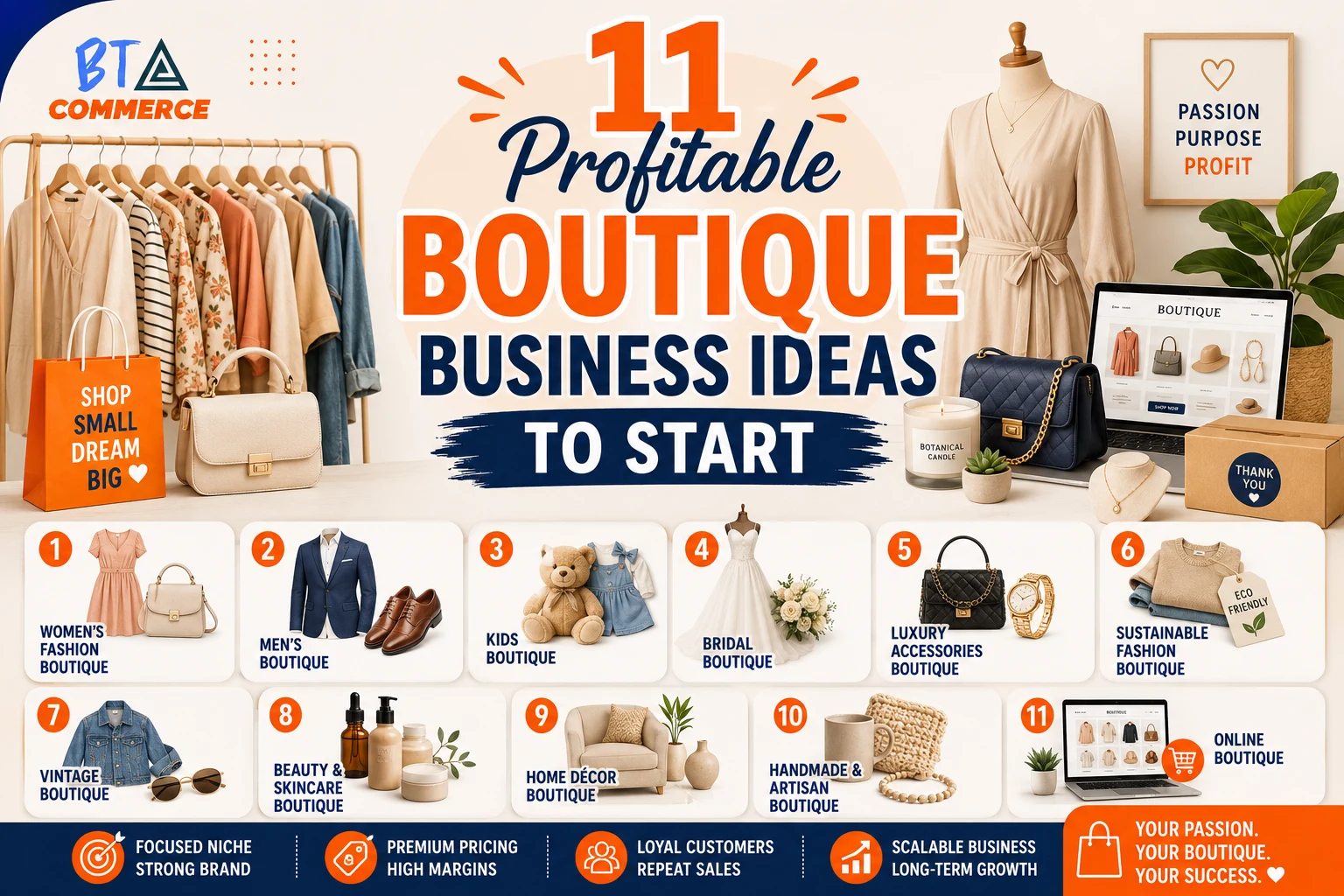
1. Women’s Fashion Boutique
A women’s fashion boutique sells curated clothing and accessories for a specific niche, such as bohemian, workwear, sustainable, or plus-size fashion. Its strong consumer demand, premium pricing, and distinctive brand identity make it one of the most profitable boutique business ideas.
- What it sells: Ready-to-wear clothing, including dresses, tops, pants, and outerwear, plus accessories such as handbags, jewelry, scarves, and shoes. Products are often sourced from wholesale suppliers and tailored to a specific niche.
- Why it’s profitable: Premium markups, repeat customers, and accessory upselling help increase revenue. You can also start with an online store to reduce upfront costs before expanding to a physical boutique.
- Income potential: $50,000–$500,000+ in annual revenue with 10–20% net profit margins, depending on pricing, operating costs, and sales volume.
- Best for: Entrepreneurs passionate about fashion, branding, and ecommerce who want to build a niche online or local boutique.
2. Men’s Boutique
A men’s boutique serves customers looking for quality menswear and a personalized shopping experience. Compared with many women’s fashion niches, the market is often less competitive, making it easier to build a loyal customer base.
- What it sells: Premium basics, casual wear, custom suits, leather accessories, watches, wallets, ties, cufflinks, and grooming products such as beard oils and pomades.
- Why it’s profitable: Strong brand loyalty, premium pricing, and cross-selling accessories or grooming products help increase average order value.
- Income potential: Startup costs range from $10,000–$50,000+, while successful boutiques can generate $100,000–$500,000+ in annual revenue with 50–60% gross margins.
- Best for: Entrepreneurs interested in fashion, ecommerce, or retail who enjoy styling and delivering personalized customer service.
Read more:
- 500+ Boutique Business Name Ideas: Unique, Cute & Trendy Names
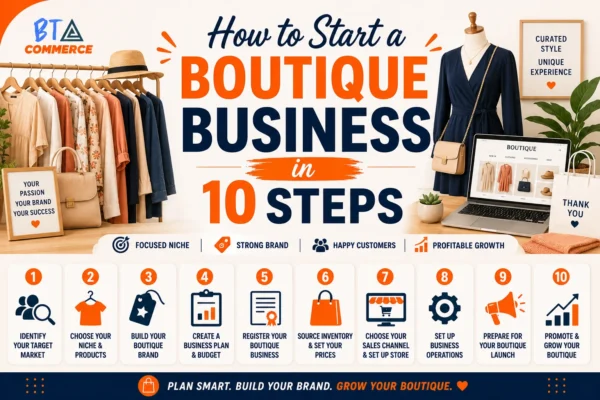
- How to Start a Boutique Business in 10 Steps
- 100+ Small Business Ideas (Low-Cost & Profitable)
- 20 Clothing Business Ideas That You Can Start Today
- Clothing Business Plan for Boutique and Online Fashion Brands
3. Kids Boutique
A kids boutique serves families looking for premium, personalized, or handmade children’s products. Frequent clothing replacements and emotional buying for gifts make it a resilient boutique business.
- What it sells: Children’s clothing, organic baby apparel, seasonal outfits, personalized accessories, blankets, diaper bags, educational toys, sensory-friendly apparel, and activity kits.
- Why it’s profitable: Children quickly outgrow clothing, while birthdays, baby showers, and holidays create consistent demand for premium gifts and premium-priced products.
- Income potential: Established boutiques can generate $100,000–$500,000+ in annual revenue, with 10–20% net profit margins. New online boutiques often earn $2,000–$5,000 per month.
- Best for: Parents, designers, and entrepreneurs who enjoy children’s products, community building, and creating unique collections.

4. Bridal Boutique
A bridal boutique serves the high-value wedding market through personalized, appointment-only shopping experiences. Strong relationships with local wedding vendors can also generate a steady stream of referrals.
- What it sells: Designer, custom-made, or ready-to-wear bridal gowns, bridesmaid dresses, bridal accessories, and services such as alterations, gown preservation, and made-to-measure styling.
- Why it’s profitable: Wedding shoppers are generally less price-sensitive, allowing 200–300% markups. Alterations and accessories also help increase average order value.
- Income potential: Startup costs typically range from $20,000–$60,000, while well-managed boutiques can generate $50,000–$200,000+ in annual net profit.
- Best for: Entrepreneurs with experience in fashion, styling, or hospitality who enjoy personalized customer service and building partnerships with wedding vendors.
5. Luxury Accessories Boutique
A luxury accessories boutique focuses on premium fashion essentials that combine high perceived value with strong profit margins. Because accessories don’t require size variations and are popular gift items, this boutique model is easier to manage than many apparel stores.
- What it sells: Designer handbags, wallets, clutches, fine jewelry, luxury watches, designer sunglasses, silk scarves, leather belts, premium hats, and personalized or limited-edition accessories.
- Why it’s profitable: Luxury accessories can achieve 300–500% retail markups, while size-free inventory reduces dead stock. Gift purchases and styling services also create year-round sales opportunities.
- Income potential: Small online boutiques often generate $3,000–$10,000 per month, while established boutiques can reach $150,000–$500,000+ in annual revenue with 15–25% net profit margins.
- Best for: Entrepreneurs with strong curation and branding skills, clothing boutique owners adding high-margin products, and businesses targeting the premium gift market.
6. Sustainable Fashion Boutique
A sustainable fashion boutique serves eco-conscious consumers looking for ethical, environmentally friendly alternatives to fast fashion. Mission-driven branding and growing demand for sustainable products help create long-term customer loyalty.
- What it sells: Eco-friendly clothing made from organic or recycled materials, upcycled and vintage fashion, cruelty-free handbags, ethically made jewelry, and sustainable footwear.
- Why it’s profitable: Customers are often willing to pay 20–50% more for sustainable products. Smaller collections also reduce markdowns and excess inventory while strengthening brand loyalty.
- Income potential: Sustainable boutiques typically achieve 50–65% gross margins and 10–20% net profit margins. Independent owners often earn $50,000–$100,000+ per year, while scalable online brands can grow into million-dollar businesses.
- Best for: Entrepreneurs passionate about sustainability, ethical sourcing, fashion curation, and building engaged online or local communities.
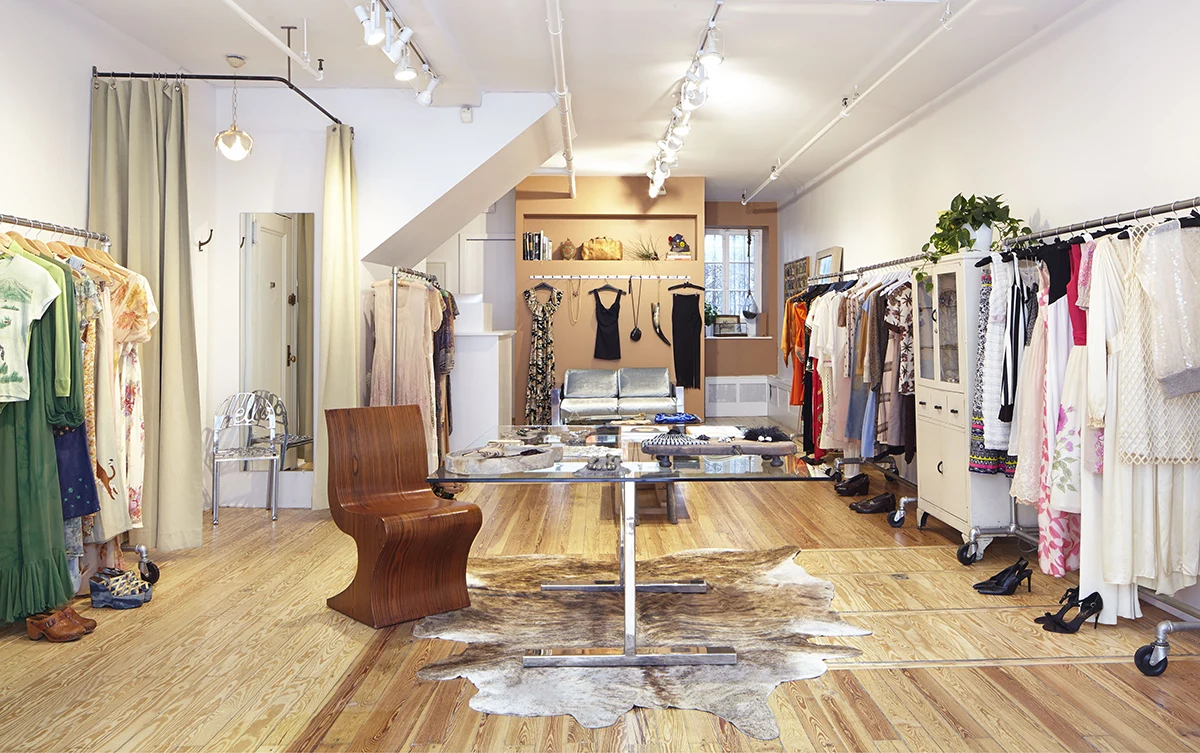
7. Vintage Boutique
A vintage boutique specializes in curated pre-loved fashion from past decades, appealing to shoppers seeking unique styles and sustainable shopping. The growing circular economy and demand for one-of-a-kind pieces continue to drive this niche.
- What it sells: Vintage clothing, footwear, handbags, sunglasses, scarves, belts, band T-shirts, heritage sportswear, designer pieces, and other collectible fashion items.
- Why it’s profitable: Inventory is often sourced at low cost from thrift stores, estate sales, garage sales, and vintage wholesalers. Unique products also reduce direct price competition, while sought-after items can deliver 300–500% returns.
- Income potential: Gross margins typically range from 60–100%. Solo sellers often earn $1,000–$3,500 per month, while boutique owners can generate $2,000–$6,000+ monthly profit and scale to six- or seven-figure businesses.
- Best for: Fashion enthusiasts, experienced thrifters, and entrepreneurs who enjoy sourcing unique products and growing a brand through visual platforms like Instagram or TikTok.
8. Beauty & Skincare Boutique
A beauty & skincare boutique serves customers looking for premium, niche beauty products and personalized skincare solutions. Strong repeat purchases and customer loyalty make this one of the most scalable boutique business ideas.
- What it sells: Specialized skincare products, clean and organic cosmetics, K-beauty or J-beauty brands, artisan soaps, men’s grooming products, botanical oils, and wellness products.
- Why it’s profitable: Skincare products typically deliver 50–70% profit margins, while daily-use products encourage recurring purchases. An ecommerce or private-label model also keeps startup costs relatively low.
- Income potential: New boutiques often generate $3,000–$10,000+ per month, while established businesses can reach $100,000–$500,000+ in annual revenue with 15–25% net profit margins.
- Best for: Estheticians, beauty professionals, content creators, and entrepreneurs passionate about clean beauty, skincare, and social media marketing.
9. Home Décor Boutique
A home décor boutique targets customers looking for stylish furnishings and decorative accents to personalize their living spaces. High perceived value and larger average order sizes create strong revenue opportunities.
- What it sells: Accent furniture, rugs, pillows, blankets, vases, artwork, decorative trays, lamps, candleholders, and scented candles.
- Why it’s profitable: Home décor products can achieve 50–200% markups, have a lower risk of becoming obsolete than fashion, and can be bundled into room collections or gift sets to increase order value.
- Income potential: Online boutiques typically generate $40,000–$80,000 in annual revenue, while established stores can reach $150,000–$300,000+ per year.
- Best for: Interior designers, creative entrepreneurs, and ecommerce sellers with experience in visual merchandising, lifestyle branding, and social media marketing.
10. Handmade & Artisan Boutique
A handmade & artisan boutique showcases unique products created by independent makers or curated from local artisans. Authenticity, craftsmanship, and storytelling allow these boutiques to build loyal customers and command premium prices.
- What it sells: Handmade jewelry, candles, ceramics, wall art, personalized gifts, stationery, knitwear, organic baby clothing, and other handcrafted products.
- Why it’s profitable: Artisan products often achieve 50–75% profit margins, while made-to-order production reduces inventory risk. Customers also value the story behind each product, increasing their willingness to pay.
- Income potential: Part-time businesses often earn $20,000–$50,000 per year, while established boutiques can generate $80,000–$150,000+ in annual revenue.
- Best for: Creative makers, product curators, and entrepreneurs who enjoy brand storytelling, community building, and supporting independent artists.
11. Online Boutique
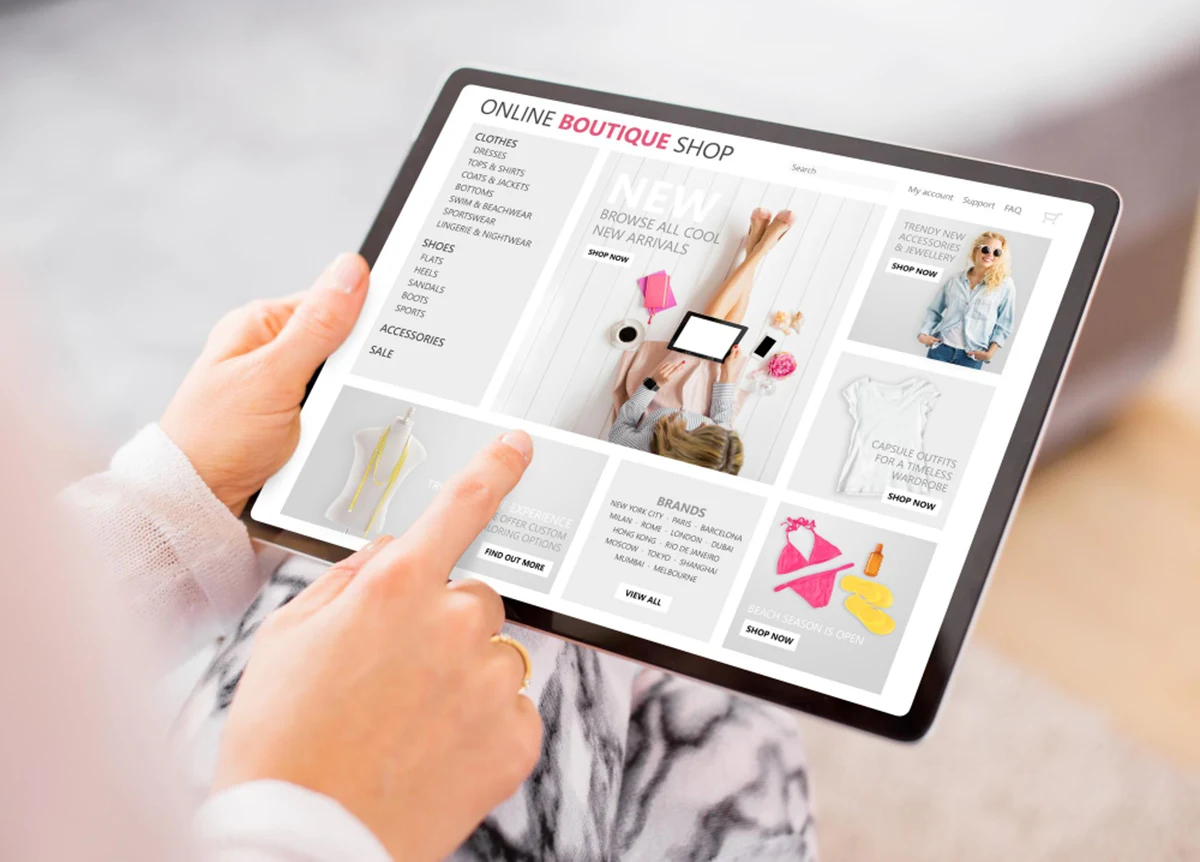
An online boutique sells curated products through an ecommerce store instead of a physical retail location. Lower startup costs, flexible inventory models, and global reach make it one of the most accessible boutique business ideas.
- What it sells: Niche apparel, fashion accessories, personalized gifts, print-on-demand products, eco-friendly goods, stationery, and lifestyle products.
- Why it’s profitable: Selling online eliminates retail overhead, while dropshipping, print-on-demand, and wholesale sourcing reduce inventory risk. Ecommerce also allows businesses to reach customers worldwide.
- Income potential: Small boutiques often generate $1,000–$5,000 per month, while successful online brands can scale to $300,000–$10,000,000+ in annual revenue. Gross margins typically range from 50–70% for wholesale products.
- Best for: Entrepreneurs with limited startup capital who are interested in ecommerce, digital marketing, social media, and building niche online brands.
Read more:
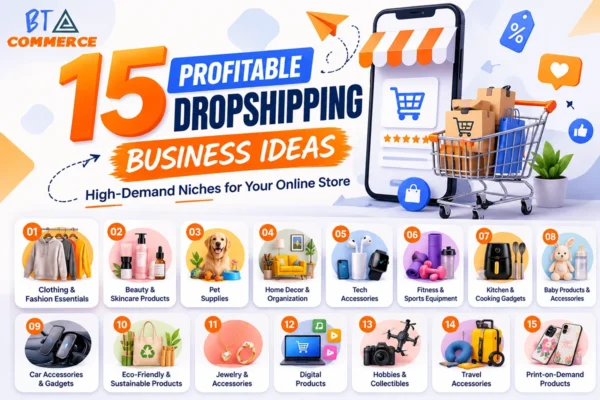
- 15 Dropshipping Business Ideas with Strong Profit Potential
- 37 Online Business Ideas for Beginners (Low Cost & Scalable)
Boutique Business Ideas FAQs
What does a boutique sell?
A boutique sells curated products for a specific niche, such as clothing, shoes, jewelry, handbags, beauty products, home décor, gifts, or handmade items. The product selection depends on the boutique’s target market.
What are the best things to sell in a boutique?
The best products combine strong demand and good profit margins. Popular options include women’s apparel, fashion accessories, jewelry, skincare products, home décor, candles, and personalized or handmade goods.
What equipment do you need to start a boutique?
Most boutiques need clothing racks, shelving, mirrors, a POS system, and inventory management software. Additional equipment depends on whether you operate a physical store or an online boutique.
What are some boutique ideas for a small business?
Popular small business boutique ideas include online clothing, vintage, beauty, home décor, handmade products, and sustainable fashion. A focused niche is often easier to market and scale than a general boutique.
Can you start a boutique business from home?
Yes. Many entrepreneurs start from home using an ecommerce website or social media, which reduces startup costs and makes it easier to test products before opening a physical store.
Recommended Reading