The beauty business ideas landscape is no longer limited to traditional salons. Today, it has expanded into a wide range of opportunities, including online businesses, at-home services, mobile beauty solutions, and product-based brands.
Whether you’re starting with a small budget or already have professional experience, there are plenty of opportunities in the beauty business that can match your skills, resources, and long-term goals.

Service-Based Beauty Business Ideas
Hair Salon or Barber Shop
Hair salons and barber shops remain one of the most stable beauty business models because demand exists year-round and naturally creates repeat customers. People need regular haircuts, styling, coloring, or grooming services regardless of economic cycles, making revenue more predictable than trend-driven products. You can also differentiate your business by targeting specific audiences, such as luxury clients, curly hair specialists, modern barbering, or eco-conscious consumers.
Revenue mainly comes from haircutting, coloring, styling treatments, beard services, and upselling products like shampoos, styling products, and haircare packages. Many successful salons also increase customer lifetime value through memberships, loyalty programs, or subscription-style services.
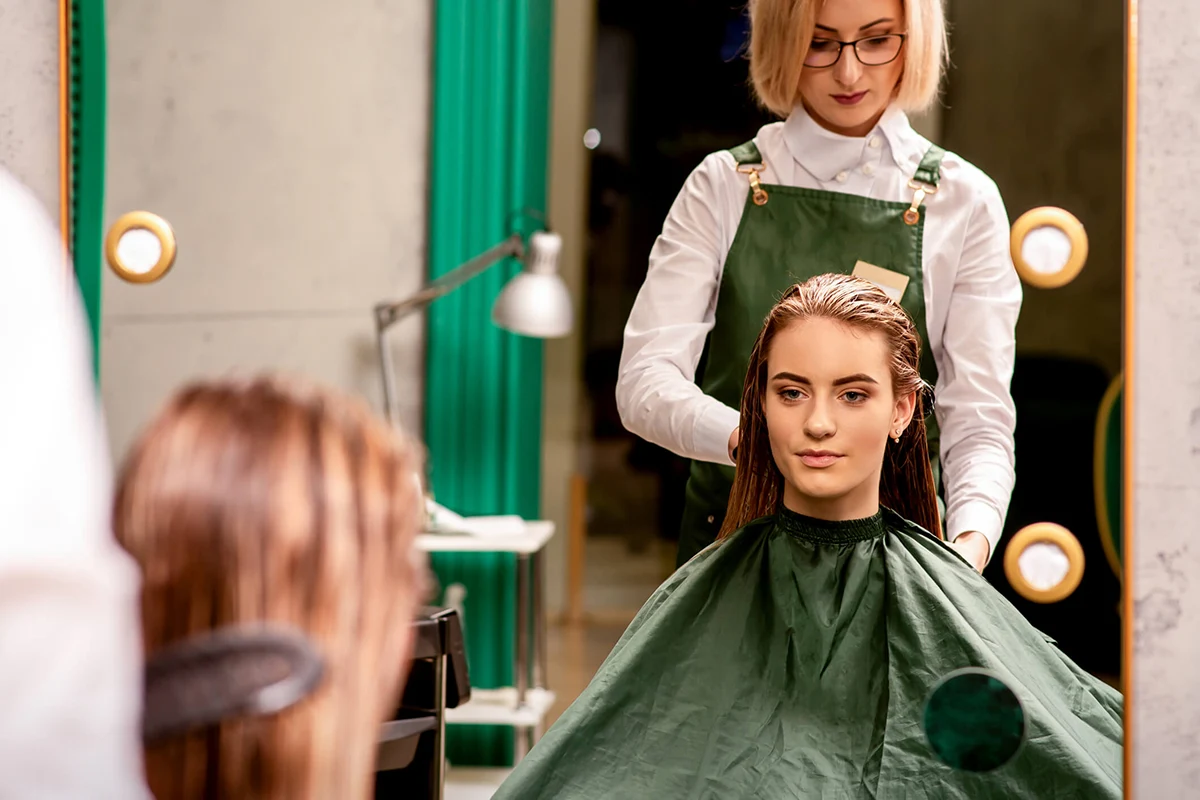
Starting typically requires professional skills or licensing requirements based on your region, salon furniture, styling tools, and a suitable location. Initial costs can become significant when factoring in interior design, equipment, and staffing.
This model works well for entrepreneurs seeking a long-term, scalable business. However, location quality can heavily affect performance, and retaining experienced stylists can become one of the biggest operational challenges.
=> Read more:
- 100+ Small Business Ideas (Low-Cost & Profitable)
- 450+ Beauty Business Name Ideas for Every Brand
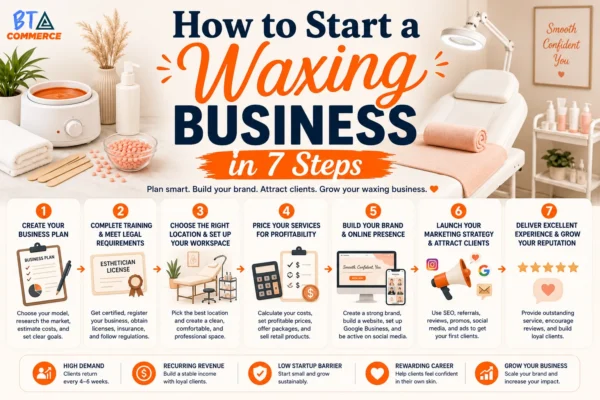
- How to Start a Waxing Business in 7 Steps
Home Beauty Salon
A home beauty salon offers many of the advantages of a traditional salon while significantly reducing startup costs. Without commercial rent and large staffing expenses, it becomes an attractive option for solo beauty professionals or first-time entrepreneurs. It also provides flexibility for setting your own schedule and building a more personal customer experience.
Income is usually generated through direct service appointments such as facials, hairstyling, waxing, skincare treatments, or other specialized beauty services. Since clients often receive more personalized attention, repeat bookings and referrals can become strong growth drivers.
You typically need a dedicated workspace at home, professional equipment, relevant certifications where required, and an online presence because home salons generally rely heavily on digital bookings instead of walk-in traffic.
Local zoning rules and regulations can create limitations, and customer capacity may be restricted by space or parking availability. This model suits independent operators who want lower risk and gradual growth.
Mobile Beauty Services
Mobile beauty businesses bring services directly to clients, creating strong demand among busy professionals, parents, bridal customers, and people who prefer convenience. Lower overhead compared to traditional salons also makes this model attractive for entrepreneurs with limited startup capital.
Revenue generally comes from beauty services combined with travel or convenience fees. Businesses may also create premium event packages for weddings, group bookings, or corporate services.
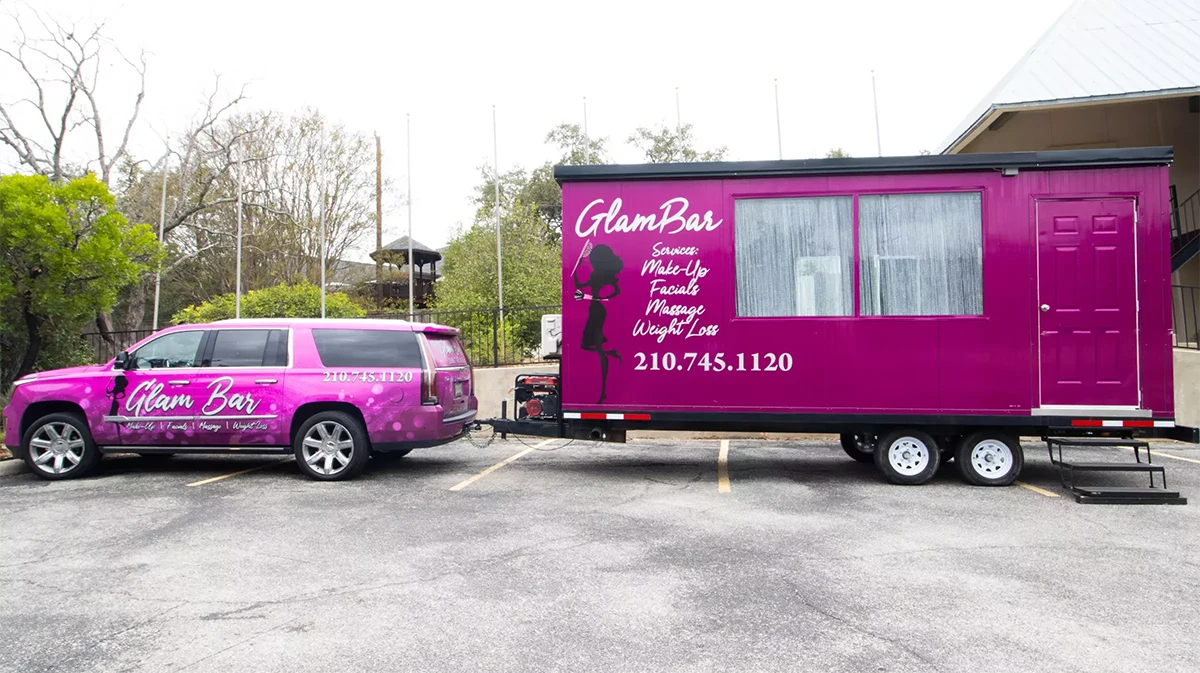
Getting started requires portable tools, a reliable vehicle, efficient scheduling systems, and strong organization skills. Since your business has no storefront, marketing and customer referrals become especially important.
While startup costs can be relatively low, logistics create unique challenges. Travel time reduces available appointment slots, and scheduling delays may affect the overall customer experience. This model works best for people who value flexibility and enjoy working in different environments.
Nail Salon Business
Nail businesses continue to perform well because they naturally encourage frequent repeat appointments. Customers often return every few weeks for maintenance or new styles, creating recurring revenue opportunities and high customer retention potential.
Revenue streams typically include manicures, pedicures, acrylic or gel extensions, premium nail art, and treatment add-ons. Loyalty programs and package promotions can also increase repeat visits.
Starting requires technical skills, manicure stations, pedicure equipment, quality products, and strict sanitation practices. Design and atmosphere also play a role in attracting customers.
Competition can be high in many markets, making customer experience and service quality important differentiators. Nail trends evolve quickly, so staying updated with designs and techniques is essential.
Makeup Artist Services
Makeup artistry offers flexibility and creative freedom while serving multiple markets, including weddings, photoshoots, fashion events, content creators, and personal consultations. Social media growth and content creation trends continue creating demand for professional makeup services.
Revenue generally comes from individual sessions, event packages, consultations, makeup classes, and sometimes affiliate product partnerships.

You will need a professional makeup kit, hygiene supplies, lighting equipment, and a portfolio that showcases different styles and skin tones. Building a strong online presence can be as important as technical ability.
Demand often fluctuates based on seasons and events, with heavier workloads during weekends and holidays. This business fits creative individuals who enjoy trend-driven work and personal branding.
Eyebrow and Lash Business
Brow and lash services have become one of the fastest-growing beauty categories because customers frequently return for maintenance appointments. Treatments like lash extensions, brow shaping, laminations, and tinting can also command premium pricing.
Revenue mainly comes from treatment appointments, touch-ups, and aftercare products such as serums and maintenance kits.
Startup requirements include specialized training, precision tools, lighting systems, and professional hygiene practices. Since services require close attention to detail, technical skill matters significantly.
The work requires long periods of concentration and involves sensitive treatment areas around the eyes. This business is often a good fit for professionals who enjoy specialized services and detail-focused work.
Bridal Beauty Services
Bridal beauty services operate in a high-value market where customers prioritize quality over price. Weddings often involve multiple services and larger group bookings, creating opportunities for premium pricing.
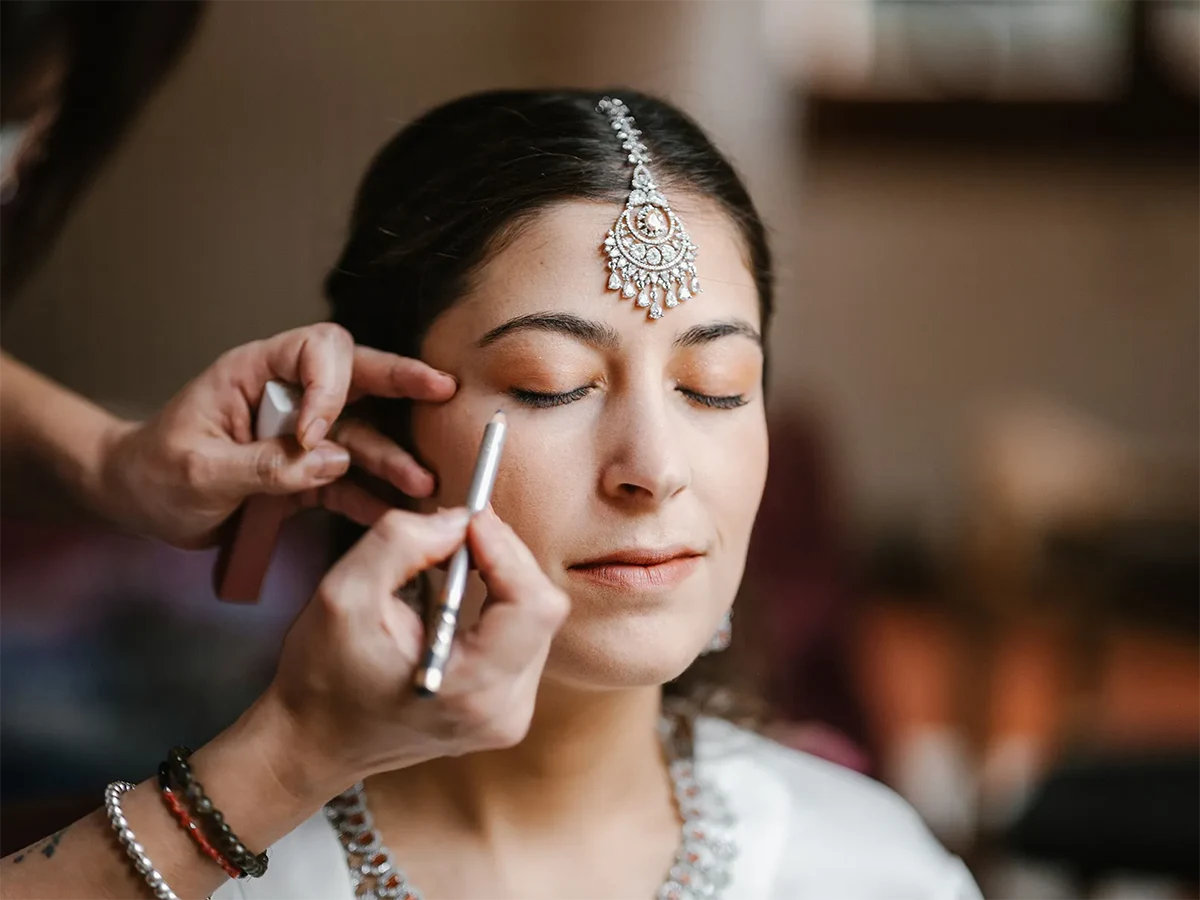
Revenue usually comes from bridal packages that combine makeup, hairstyling, consultations, trial sessions, and beauty services for the wedding party. Travel fees and add-on services can further increase profitability.
Starting requires professional tools, planning systems, contracts, and a strong portfolio that demonstrates previous work.
The business can be highly rewarding but also comes with pressure because clients expect flawless execution on important occasions. Demand can also become seasonal depending on local wedding trends.
Men’s Grooming Services
Men’s grooming has expanded far beyond basic haircuts. Growing interest in skincare, beard care, and premium grooming experiences continues to create opportunities, with industry forecasts suggesting strong long-term growth.
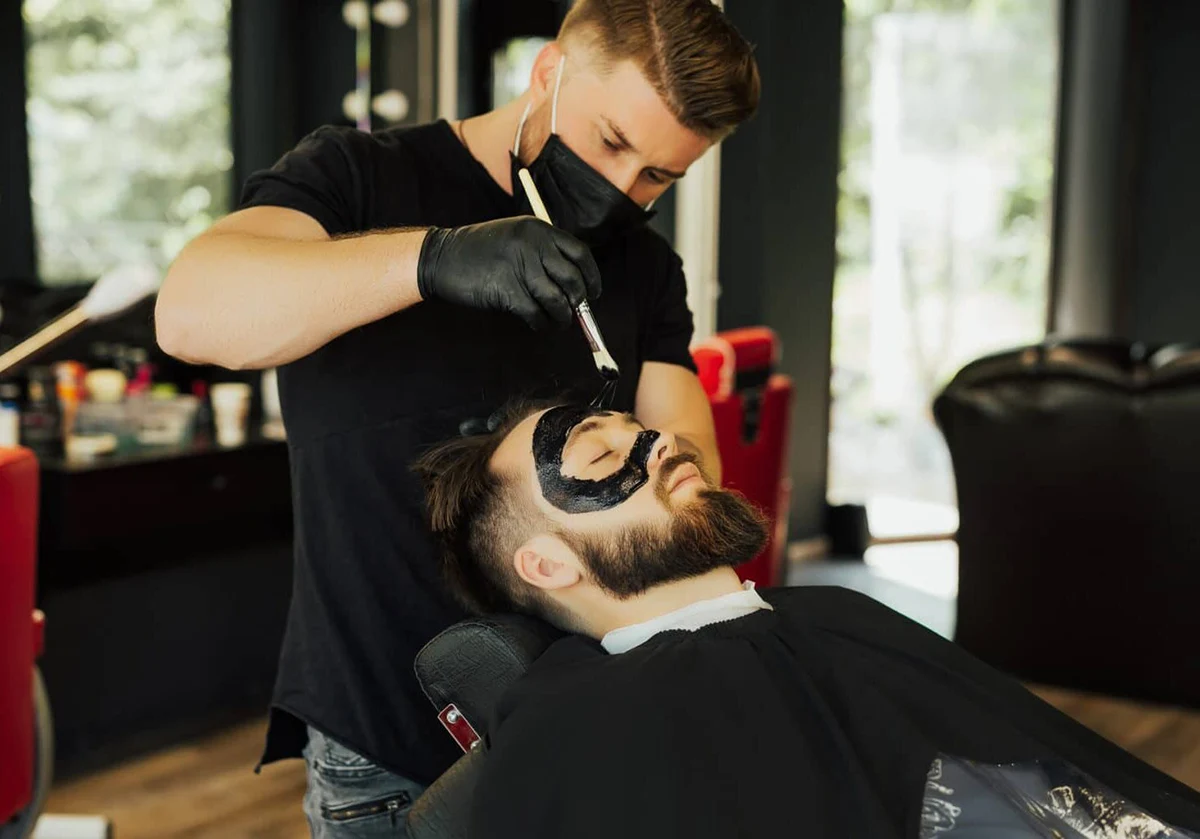
Revenue can come from haircuts, beard trims, hot towel shaves, skincare treatments, memberships, and retail products such as beard oils or grooming products.
Starting requires barbering or grooming expertise, specialized products, and branding that appeals to your target audience. Many modern businesses also combine grooming with lifestyle experiences like coffee bars or premium membership models.
Success often depends on developing a clear brand identity rather than offering generic services. This idea works especially well for entrepreneurs targeting niche audiences and building strong customer loyalty.
Product-Based Beauty Business Ideas
Organic Skincare Products
Organic skincare products continue gaining popularity as more consumers look for cleaner ingredients and gentler solutions for sensitive skin or specific concerns such as acne, dryness, or aging. This type of business works particularly well because skincare often becomes part of a customer’s daily routine, creating strong repeat purchase potential and long-term customer loyalty.

Revenue usually comes from product lines such as cleansers, moisturizers, serums, facial oils, masks, and skincare bundles. Businesses often increase average order value by creating complete skincare routines rather than selling individual products.
To get started, you’ll need reliable ingredient sourcing, product formulation knowledge, packaging, and compliance with local cosmetic regulations. If creating formulas from scratch feels overwhelming, working with a private-label manufacturer can reduce complexity and speed up launch time.
The beauty market is highly competitive, so simply using “organic” as a selling point may not be enough. Customers increasingly look for brands with a clear identity, whether that’s vegan formulations, sensitive-skin solutions, cruelty-free products, or sustainable practices.
Handmade Soaps and Bath Products
Handmade soaps and bath products appeal strongly to customers looking for self-care experiences and unique products that feel more personal than mass-produced alternatives. Their visual appeal, scents, and artisanal presentation also make them popular as gifts and lifestyle purchases.
Revenue commonly comes from soaps, bath bombs, body scrubs, bath salts, gift sets, and seasonal collections. Limited-edition products can also create urgency and encourage repeat purchases.
Starting generally requires basic product-making skills, ingredients, molds, packaging materials, and workspace for production. Compared with many beauty businesses, startup costs can be relatively manageable.
Because many small businesses enter this category, branding and packaging often play a major role in standing out. Creating a signature style—whether through local ingredients, distinctive scents, or artistic designs—can make products more memorable.
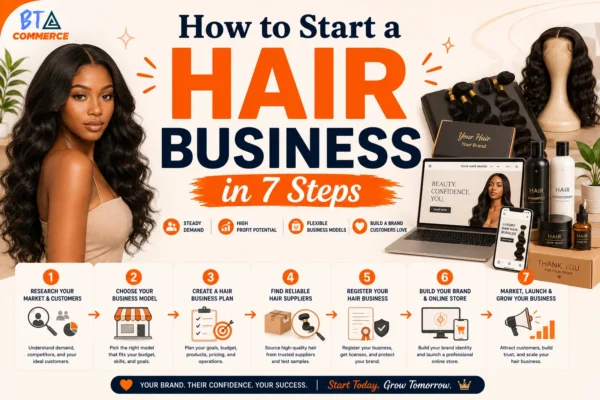
Hair Extensions and Wigs
Hair extensions and wigs can become a high-value beauty business because customers are often willing to pay premium prices for products that offer immediate transformation and long-term use. Demand also spans multiple audiences, from fashion and beauty enthusiasts to people experiencing hair loss.
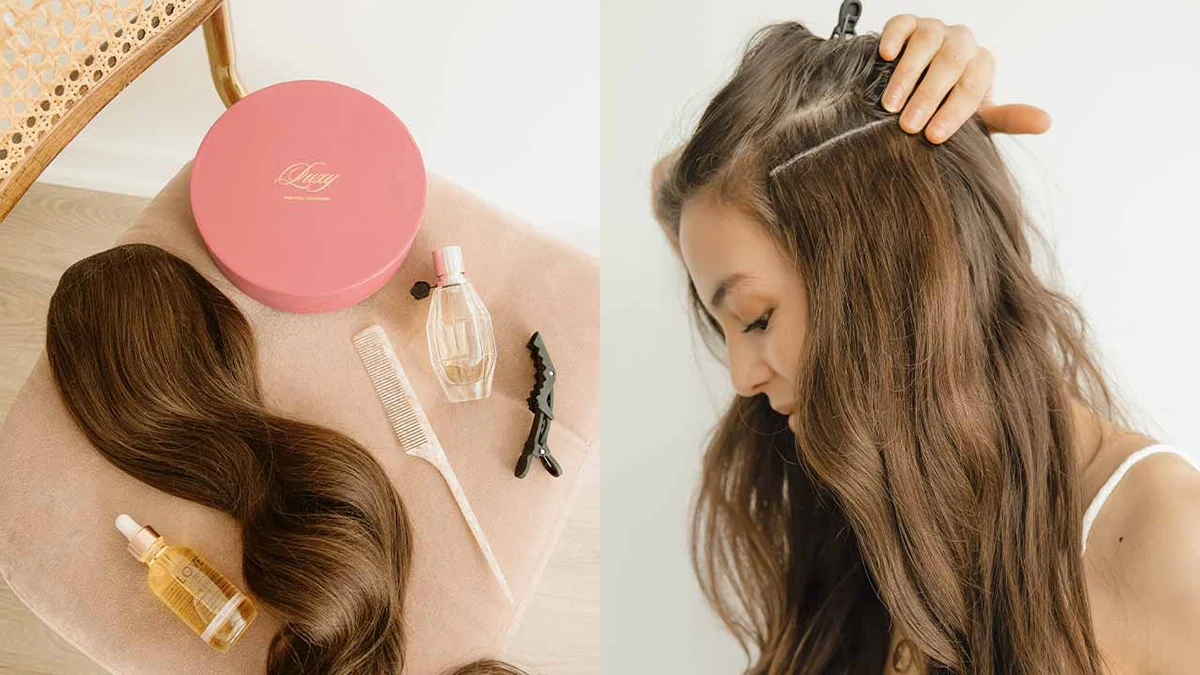
Revenue is typically generated through hair bundles, wigs, extensions, accessories, customization services, and maintenance products. Some businesses also increase revenue by offering installation services or styling consultations.
To start, you’ll need reliable suppliers, inventory investment, product knowledge, and educational content that helps customers understand quality differences and maintenance requirements.
Trust is extremely important in this market because customers often have concerns about hair quality and sourcing. Transparency around materials, product durability, and care instructions can significantly influence purchase decisions.
Sustainable Beauty Products
Sustainable beauty products continue growing as consumers become more aware of environmental impact and seek products aligned with their values. This category can include refillable packaging, waterless beauty products, reusable alternatives, and eco-friendly formulations.
Revenue generally comes from skincare, cosmetics, personal care products, and refill systems designed to reduce waste. Customers who prioritize sustainability may also become highly loyal repeat buyers.
Starting requires more than simply changing packaging materials. You’ll need to think about the entire product journey, from ingredient sourcing and manufacturing to packaging and shipping practices.
Sustainability can create strong brand differentiation, but consumers are also increasingly cautious about misleading claims. Building trust requires transparency and consistency rather than relying on marketing buzzwords alone.
Beauty Subscription Boxes
Beauty subscription boxes have become popular because they combine convenience with discovery. Customers enjoy receiving curated products regularly while trying new brands without purchasing full-sized products individually.
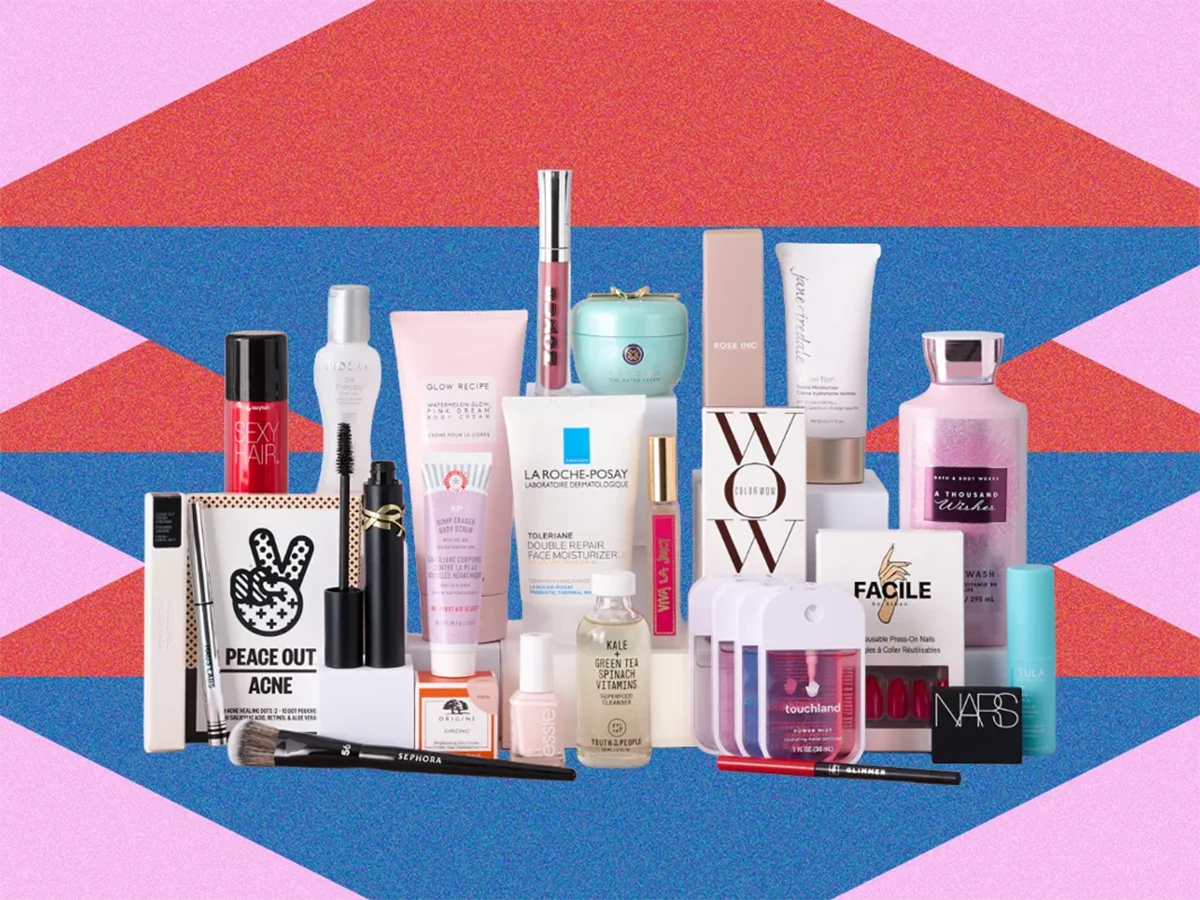
Revenue primarily comes from recurring subscription fees, partnerships with beauty brands, and product upsells. Because subscriptions generate predictable income, businesses can create more stable cash flow than one-time purchases alone.
To get started, you’ll need a clear niche, supplier relationships, packaging solutions, and systems for subscription management and shipping logistics. Choosing a focused concept—such as vegan beauty, skincare essentials, men’s grooming, or travel-friendly products—can help attract a more defined audience.
Customer retention becomes one of the biggest challenges because subscribers expect continued value and excitement. Success often depends on consistently delivering products that feel curated rather than random.
Online Beauty Business Ideas
Start an Online Beauty Store
Starting an online beauty store is one of the most flexible ways to enter the beauty industry because it removes the need for a physical location and gives you access to customers far beyond your local area. Rather than competing with large retailers by selling everything, many successful businesses focus on a specific niche, such as vegan skincare, products for sensitive skin, professional beauty tools, or clean beauty products.
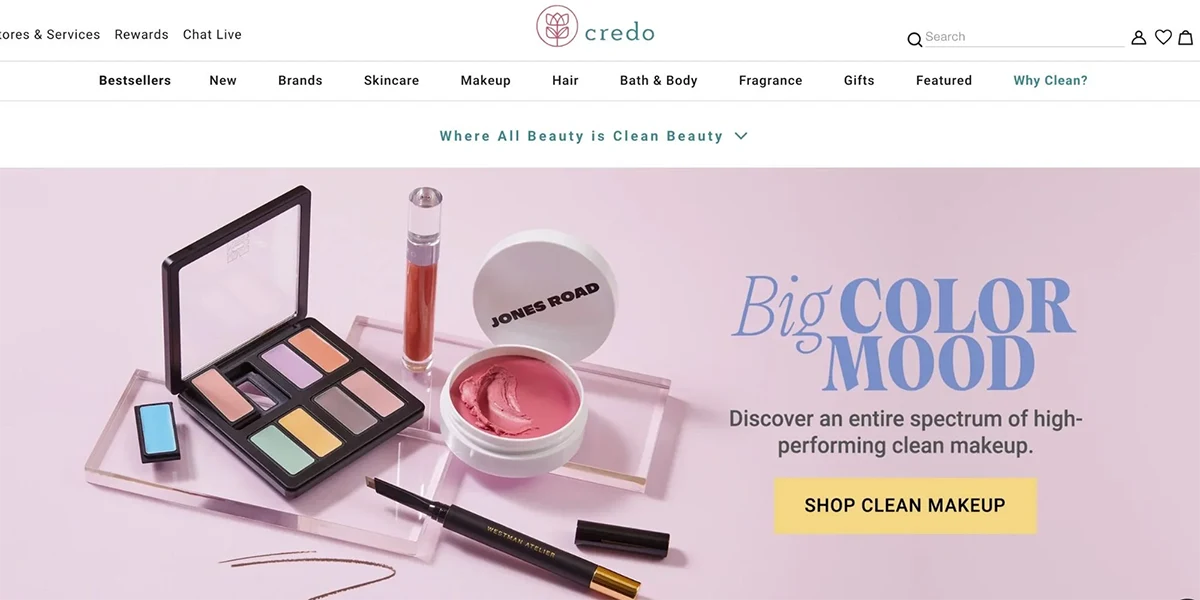
Revenue usually comes from direct product sales, product bundles, memberships, and repeat purchases. Some stores also create additional income streams through subscription options or exclusive product launches. Depending on your business model, you may choose to hold inventory yourself or use dropshipping to reduce upfront costs.
To get started, you’ll need an eCommerce website, product suppliers, payment systems, and a clear branding strategy. Product photography and strong product descriptions are equally important because customers cannot physically experience products before purchasing.
Competition in online beauty can be intense, so success often depends on having a clear niche and strong marketing strategy. Without a physical store, building trust through customer reviews, social proof, and consistent branding becomes especially important.
Virtual Beauty Consulting
Virtual beauty consulting combines beauty expertise with online convenience by allowing customers to receive personalized recommendations through video calls or digital communication. As consumers increasingly look for customized beauty experiences, personalized guidance has become a valuable service.
Revenue can come from one-time consultations, hourly sessions, personalized beauty plans, or ongoing subscription-based coaching. Some consultants also generate additional income through affiliate recommendations and product partnerships.
Getting started usually requires industry knowledge, communication skills, video conferencing tools, and a professional online presence. Unlike traditional beauty businesses, startup costs can remain relatively low because there is no need for physical inventory or retail space.
Building credibility can be one of the biggest challenges, especially when starting out. Clients need confidence that your recommendations are useful and tailored to their needs. This idea works especially well for professionals who enjoy education, personalized interaction, and helping people solve specific beauty concerns.
Beauty Content Creator or Educator
Beauty content creation has evolved from a side project into a full business opportunity. Audiences actively search for tutorials, skincare advice, product reviews, beauty trends, and educational content across social platforms. Building an audience can also create multiple business opportunities beyond content itself.

Revenue often comes from brand sponsorships, affiliate marketing, advertising income, digital products, online courses, and paid communities. Some creators eventually expand into their own beauty products or services.
Starting requires basic content creation tools such as a smartphone or camera, editing software, lighting equipment, and a content strategy focused on a specific audience. Choosing a micro-niche can make it easier to stand out, whether that’s mature skincare, beginner makeup tutorials, men’s grooming, or organic beauty.
The barrier to entry may be low, but audience growth usually takes time and consistency. Results rarely happen overnight, and content performance can fluctuate across platforms. This idea is often a strong fit for people who enjoy teaching, creating content regularly, and building a personal brand over time.
=> Read more: 37 Online Business Ideas for Beginners (Low Cost & Scalable)
How to Choose the Right Beauty Business Idea
The best beauty business idea isn’t always the trendiest or most profitable one. It should match your skills, resources, and market opportunities. Before getting started, use this quick checklist:
- Budget: How much can you realistically invest? Home-based businesses, mobile services, and online models typically require lower startup costs, while salons, product manufacturing, and inventory-heavy businesses often need a larger upfront investment.
- Skills: What are you already good at? Choose an idea that fits your strengths and interests. Hands-on skills may suit beauty services, while creativity, teaching, or product knowledge can support digital or product-based businesses.
- Demand: Are customers actively looking for this? Research market trends, competitors, and customer needs to identify gaps or underserved niches before investing significant time or money.
- Online vs. physical: Consider how you want to operate. Physical businesses can create stronger customer experiences but usually involve higher costs, while online models often offer more flexibility and broader reach.
- Scalability: Think beyond the launch stage. Can you expand through new services, products, memberships, hiring staff, or recurring revenue opportunities as your business grows?
Choosing an idea that aligns with both your personal strengths and market demand can help create a business that is easier to manage, more sustainable, and better positioned for long-term growth.
Beauty Business FAQs
What is the most profitable beauty business to start?
Beauty businesses with recurring customers and relatively low operating costs often have strong profit potential. Popular examples include lash and brow studios, nail salons, men’s grooming services, skincare products, and beauty subscription businesses.
Which beauty businesses can I run from home?
You can run many beauty businesses from home, including home salons, makeup services, handmade soaps, organic skincare products, online beauty stores, beauty consulting, and content creation businesses. Be sure to check local licensing and business regulations before starting.
How can beginners make money in the beauty industry?
Beginners often start with lower-cost opportunities such as freelance makeup services, mobile beauty services, beauty content creation, affiliate marketing, or selling niche beauty products online. Starting small can help build experience and a customer base before expanding.
How much money do I need to start a beauty business?
Startup costs vary depending on the business model. Online businesses and freelance services can start with a few hundred dollars, while salons, product manufacturing, and inventory-based businesses may require several thousand dollars or more. Your budget will depend largely on equipment, products, and operating setup.
Recommended Reading