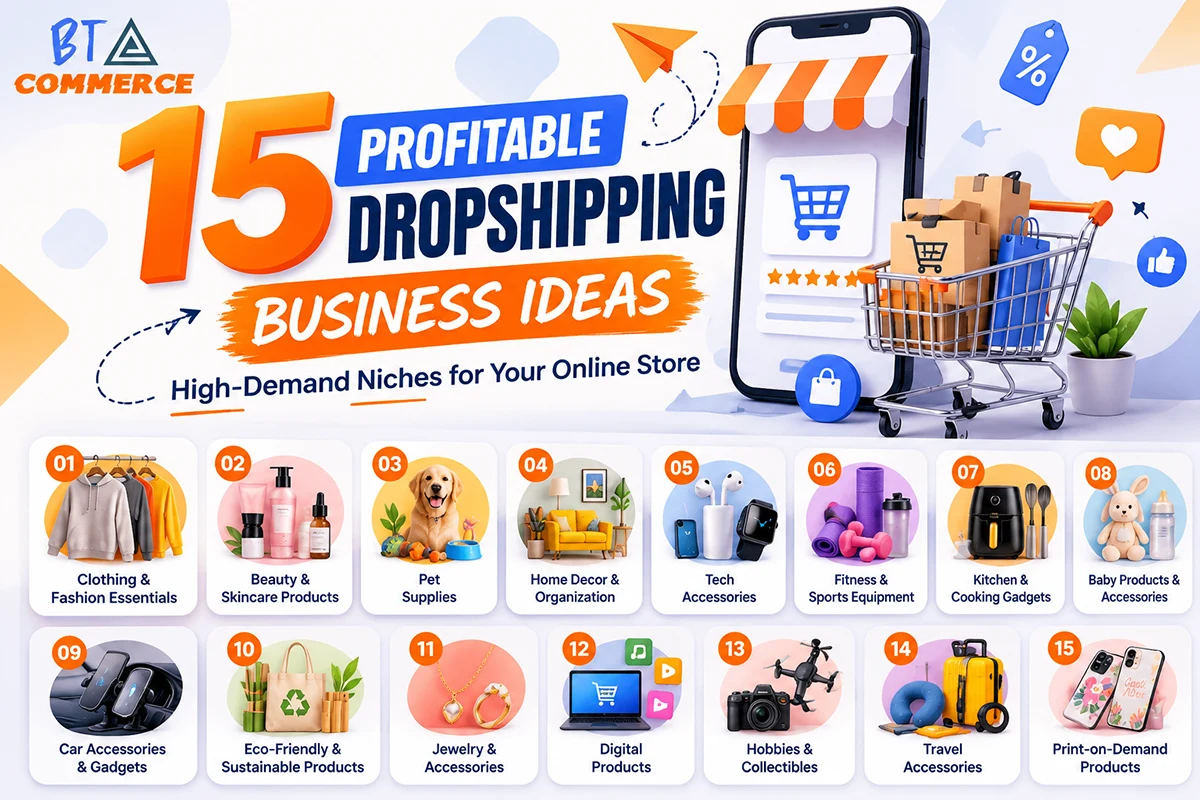
Finding the right niche is one of the most important decisions in dropshipping. A strong niche can attract consistent demand, support healthy profit margins, and make it easier to build a recognizable brand. Below, you’ll find 15 profitable dropshipping business ideas that continue to show strong potential for online sellers.
Is a dropshipping business still profitable?
Yes, dropshipping is still a profitable and scalable business model. Many successful stores continue to achieve net profit margins of 15%–30%. However, the days of launching a generic store and making easy money from low-cost products are largely over.
What has become less effective is traditional price arbitrage—buying inexpensive products from overseas suppliers and reselling them at a markup without adding value. As competition increases and consumers gain access to the same products through global marketplaces, generic stores often struggle to maintain healthy margins.
Today, successful dropshipping businesses typically:
- Build a niche brand rather than selling random products.
- Work with suppliers that offer 3–7 day shipping through local warehouses.
- Focus on higher-ticket products that provide stronger profit margins.
- Invest in product testing and marketing, often starting with a budget of $500–$1,500.
The key to success is choosing the right niche. A niche with strong demand, healthy margins, and room for differentiation can turn dropshipping from a side project into a sustainable online business. The ideas below highlight some of the most promising opportunities to explore.
Read more:
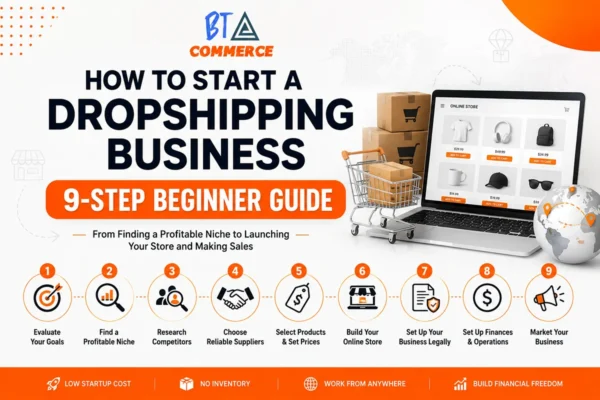
- How to Start a Dropshipping Business (9-Step Guide for Beginners)
- 450+ Modern & Catchy Dropshipping Business Name Ideas
- 100+ Small Business Ideas (Low-Cost & Profitable)
15 Profitable Dropshipping Business Ideas
1. Clothing and Fashion Essentials
Best for: Entrepreneurs who want to build a recognizable ecommerce brand and target a specific lifestyle audience.
Estimated margins: 40%–60%
Fashion remains one of the most popular dropshipping niches because demand is constant and consumers regularly purchase new products throughout the year. Unlike many product categories, apparel offers strong opportunities for branding, repeat purchases, and customer loyalty. A successful clothing store can also expand naturally into accessories, footwear, and lifestyle products over time.
Popular products to sell:
- Oversized hoodies and graphic T-shirts
- Athleisure and activewear collections
- Matching lounge sets
- Sustainable and eco-friendly apparel
- Print-on-demand clothing
- Swimwear and beachwear
- Winter jackets and knitwear
- Rainwear and weather-adaptive clothing
- Sun-protective apparel
Advantages
- Large addressable market
- Strong branding potential
- Frequent repeat purchases
- Easy product line expansion
Challenges
- High competition
- Sizing and return issues
- Trend cycles can change quickly
- Inventory management becomes more complex as catalogs grow
Verdict
Clothing is one of the most scalable dropshipping niches, but broad fashion stores rarely succeed today. The biggest opportunities are found in focused segments such as activewear, sustainable fashion, streetwear, or print-on-demand apparel. Customers are more likely to buy from brands that reflect their identity than from stores selling generic clothing.
Read more:
- 20 Clothing Business Ideas That You Can Start Today
- How to Start a Clothing Brand: Step-by-Step Guide for Beginners
2. Beauty and Skincare Products
Best for: Sellers who are comfortable using content marketing, influencer campaigns, and social commerce.
Estimated margins: 50%–70%
Beauty and skincare remains one of the strongest evergreen ecommerce niches because customers regularly replenish products as part of their daily routines. Demand is driven by consumers actively searching for solutions to specific concerns, such as acne, aging, skin hydration, or hair care. This creates strong repeat-purchase potential and customer lifetime value.
Popular products to sell:
- Facial cleansing brushes
- LED light therapy masks
- Facial rollers and ice rollers
- Electric facial massagers
- Makeup brush sets
- Cosmetic travel bags
- Makeup organizers
- Beauty storage accessories
- Hair care tools and accessories
Advantages
- High customer lifetime value
- Strong repeat-purchase behavior
- Performs exceptionally well on TikTok and Instagram
- Premium branding opportunities
Challenges
- Trust is difficult to establish for new brands
- Product claims may face compliance restrictions
- Customer expectations are high
Verdict
Beauty products are among the most profitable dropshipping categories when positioned around a specific problem or audience. Instead of creating a general beauty store, focus on niches such as anti-aging, acne solutions, Korean beauty, or self-care products. Educational content and user-generated content often play a bigger role in sales than price discounts.
Read more:
- 15 Profitable Beauty Business Ideas to Start
- How to Start a Beauty Business: Step-by-Step Beginner Guide
3. Pet Supplies
Best for: Entrepreneurs targeting passionate customer communities and emotionally driven purchases.
Estimated margins: 40%–60%
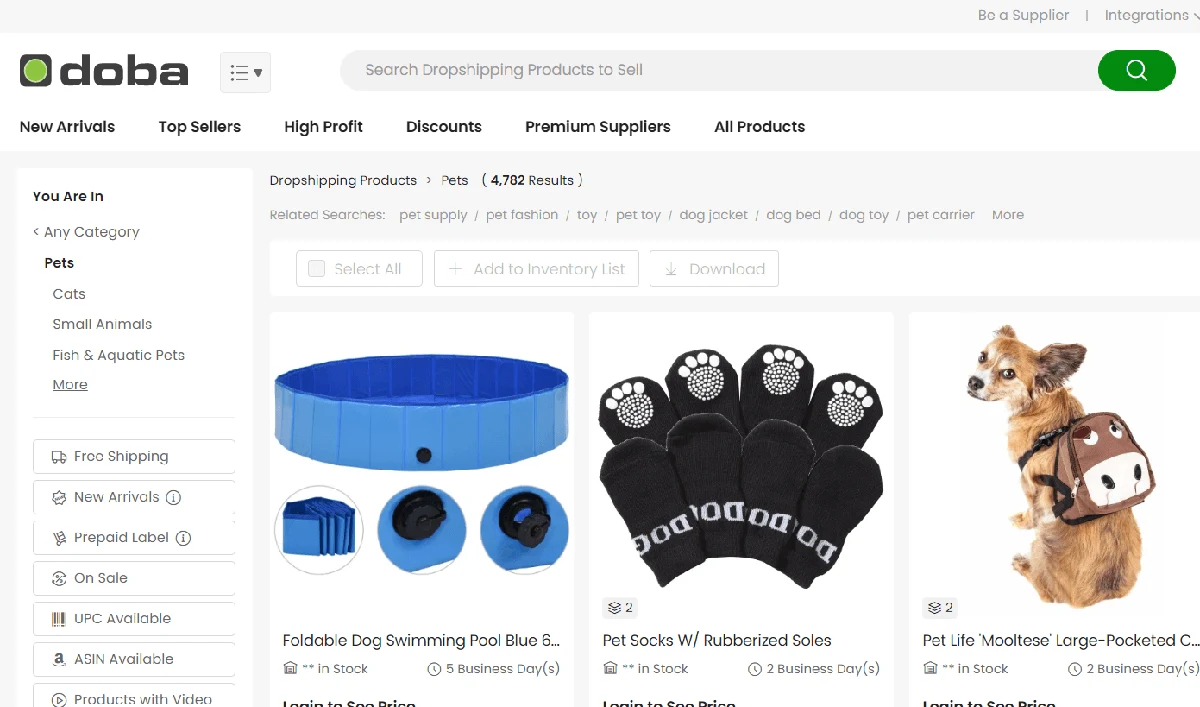
The pet industry continues to grow as owners increasingly treat pets as family members. This “pet humanization” trend has created strong demand for premium accessories, health products, and convenience-focused solutions. Pet owners are often willing to spend more on products that improve their pets’ comfort, safety, and wellbeing.
Popular products to sell:
- Collars, leashes, and harnesses
- Pet beds and calming beds
- Travel carriers and backpacks
- Personalized pet tags
- Interactive toys and puzzle toys
- Grooming tools
- Automatic feeders
- Dental care products
- Anxiety-relief products
Advantages
- Loyal customer base
- Emotional purchasing behavior
- Consistent year-round demand
- Opportunities for recurring sales
Challenges
- Product quality directly impacts customer trust
- Bulky products can increase shipping costs
- Safety concerns can lead to refunds and disputes
Verdict
Pet supplies remain one of the most reliable dropshipping niches because customers buy based on care rather than price alone. Products that solve real problems—such as anxiety, shedding, feeding convenience, or travel safety—typically outperform novelty products and generate stronger customer loyalty.
4. Home Decor and Organization
Best for: Sellers who enjoy visual marketing and trend-driven product discovery.
Estimated margins: 50%–70%
Home decor and organization continues to benefit from consumers’ desire to improve their living spaces without major renovations. Social media platforms have accelerated demand for aesthetic and practical products, making this niche particularly effective for visual content marketing.
Popular products to sell:
- Wall art and canvas prints
- Artificial plants
- LED lighting and neon signs
- Decorative throw pillows
- Aroma diffusers
- Closet organizers
- Pantry storage containers
- Under-bed storage bags
- Kitchen and bathroom organizers
Advantages
- High perceived value
- Excellent social media appeal
- Strong impulse-buy potential
- Easy cross-selling opportunities
Challenges
- Generic products face heavy competition
- Some products are fragile or bulky
- Trends can become saturated quickly
Verdict
The most successful home decor stores are built around a specific style rather than a random collection of products. Whether you focus on minimalist, boho, luxury, or Scandinavian-inspired designs, a cohesive aesthetic helps increase average order value and encourages customers to purchase multiple items together.
5. Tech Accessories
Best for: Entrepreneurs looking for high-demand products with low shipping complexity.
Estimated margins: 40%–80%
Tech accessories remain one of the most accessible dropshipping niches because demand grows alongside smartphone, laptop, and wearable device adoption. Consumers frequently purchase accessories to improve convenience, productivity, device protection, or content creation capabilities.
Popular products to sell:
- Wireless chargers
- Phone cases
- Power banks
- Magnetic mounts
- Ring lights
- Charging cables
- Laptop stands
- Protective sleeves
- Monitor risers
- Cable management solutions
- Blue-light glasses
- Ergonomic desk accessories
Advantages
- Massive customer base
- Low shipping costs
- Frequent new product opportunities
- Strong upselling potential
Challenges
- Intense competition in broad categories
- Short product life cycles
- Device compatibility requirements
Verdict
Tech accessories can generate excellent margins, but success usually comes from targeting a specific audience rather than selling to everyone. Niches such as remote workers, students, gamers, content creators, and digital professionals provide clearer positioning and often face less competition than general electronics stores.
6. Fitness and Wellness Products
Best for: Entrepreneurs targeting health-conscious consumers and the growing home fitness market.
Estimated margins: 40%–60%
The fitness and wellness industry continues to benefit from long-term trends around healthy living, weight management, mobility, and mental wellbeing. Consumers are increasingly investing in products that help them exercise at home, recover faster, and maintain an active lifestyle without relying on gyms or professional services.
Popular products to sell:
- Resistance bands
- Yoga mats
- Pilates accessories
- Adjustable dumbbells
- Jump ropes
- Massage guns
- Foam rollers
- Posture correctors
- Acupressure mats
- Recovery and mobility tools
Advantages
- Strong year-round demand
- Highly engaged customer base
- Excellent content marketing opportunities
- Easy product bundling potential
Challenges
- Bulky equipment can increase shipping costs
- Competition from established fitness brands
- Quality concerns can lead to returns
Verdict
Fitness remains one of the safest dropshipping niches because it solves an ongoing consumer need rather than a temporary trend. Stores focused on specific audiences—such as yoga enthusiasts, runners, home gym users, or people seeking recovery solutions—often perform significantly better than general fitness stores.
7. Car Accessories
Best for: Entrepreneurs looking to sell practical products with broad market appeal.
Estimated margins: 40%–70%
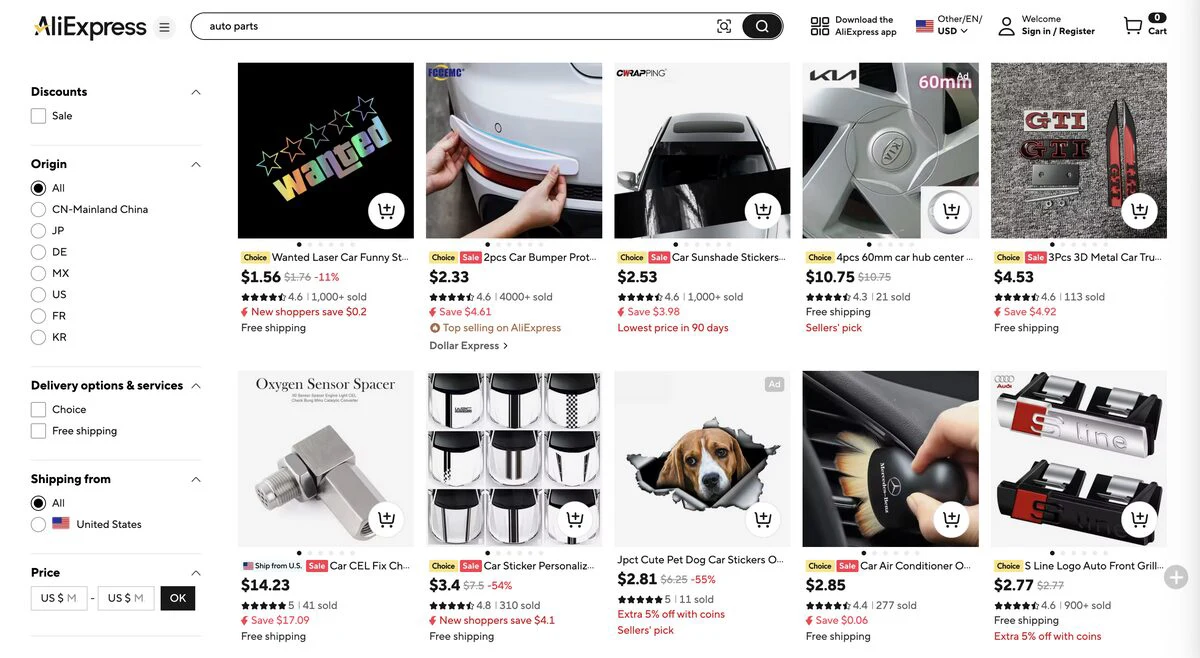
The automotive accessories market benefits from a massive customer base and frequent impulse purchases. Most vehicle owners are constantly looking for products that improve comfort, organization, convenience, or driving safety without requiring expensive vehicle upgrades.
Popular products to sell:
- Phone mounts
- Dashboard accessories
- LED interior lighting
- Steering wheel covers
- Seat organizers
- Trunk organizers
- Backseat storage systems
- Cup holder expanders
- Car trash bins
- Cable management accessories
Advantages
- Large addressable market
- Many lightweight products
- Strong impulse-buy behavior
- Excellent cross-sell opportunities
Challenges
- Some products require vehicle compatibility checks
- Generic accessories face intense competition
- Customers expect durability and reliability
Verdict
Car accessories are most successful when they solve everyday frustrations. Products that improve organization, convenience, or driving comfort typically outperform decorative accessories because customers immediately understand their value and benefits.
8. Baby Products
Best for: Sellers targeting parents looking for convenience, safety, and everyday parenting solutions.
Estimated margins: 40%–60%
Parents consistently spend on products that make childcare easier, safer, and more comfortable. While the niche requires careful product selection and quality control, it offers a steady stream of demand as families regularly purchase products throughout different stages of a child’s development.
Popular products to sell:
- Baby feeding accessories
- Bibs and burp cloths
- Baby grooming kits
- Swaddles and blankets
- Diaper organizers
- Baby carriers
- Stroller accessories
- Portable changing mats
- Bottle warmers
- Parenting travel accessories
Advantages
- Consistent market demand
- Strong customer lifetime value
- Opportunities for repeat purchases
- Product bundling works well
Challenges
- Safety standards are critical
- Product quality expectations are high
- Building trust with parents takes time
Verdict
The baby niche can be highly profitable when focused on convenience and problem-solving rather than novelty products. Parents are often willing to pay more for products that save time, improve safety, or simplify daily routines.
9. Gaming Accessories
Best for: Entrepreneurs targeting gamers, streamers, and PC setup enthusiasts.
Estimated margins: 50%–80%
Gaming has evolved into a mainstream industry with millions of consumers regularly upgrading their setups, consoles, and accessories. Unlike gaming hardware, accessories are relatively affordable, easy to ship, and frequently purchased for personalization or performance improvements.
Popular products to sell:
- RGB lighting kits
- Gaming mouse pads
- Headphone stands
- Desk setup accessories
- Controller grips
- Charging docks
- Console carrying cases
- Cooling stands
- Gaming headset accessories
- Thumbstick covers
Advantages
- Passionate customer community
- Strong visual marketing potential
- Frequent setup upgrades
- High average order value opportunities
Challenges
- Trends change quickly
- Hardware compatibility matters
- Highly competitive marketplace
Verdict
Gaming accessories perform best when targeting a specific audience such as PC gamers, console players, streamers, or esports enthusiasts. Products that improve comfort, aesthetics, or gaming performance generally outperform generic accessories.
10. Home Office Products
Best for: Entrepreneurs targeting remote workers, freelancers, students, and digital professionals.
Estimated margins: 40%–70%
The rise of remote and hybrid work has created sustained demand for products that improve productivity, organization, and ergonomics. Many professionals are willing to invest in better workspaces to increase comfort and efficiency during long hours at their desks.
Popular products to sell:
- Laptop stands
- Monitor risers
- Portable monitors
- Desk organizers
- Productivity planners
- Wireless charging stations
- Desk mats
- Cable management solutions
- Adjustable phone stands
- Ergonomic wrist rests
Advantages
- Growing remote-work audience
- Strong problem-solving value proposition
- Excellent bundling opportunities
- Relatively low shipping costs
Challenges
- Competition from office supply retailers
- Difficult to differentiate generic products
- Customers often compare prices carefully
Verdict
Home office products are particularly attractive because they solve clear productivity and comfort problems. Stores that focus on workspace optimization, ergonomics, or desk aesthetics often achieve stronger branding and higher average order values than stores selling general office supplies.
11. Outdoor and Travel Gear
Best for: Entrepreneurs targeting travelers, outdoor enthusiasts, digital nomads, and adventure seekers.
Estimated margins: 40%–70%
Outdoor and travel products benefit from multiple growing consumer trends, including experiential travel, remote work, camping, hiking, and outdoor recreation. Many products in this niche are lightweight, practical, and highly shareable on social media, making them ideal for dropshipping.
Popular products to sell:
- Travel organizers and packing cubes
- RFID-blocking wallets
- Portable luggage scales
- Travel pillows
- Reusable water bottles
- Camping accessories
- Hiking gear
- Portable outdoor lighting
- Dry bags
- Outdoor cooking accessories
Advantages
- Broad customer base
- Strong seasonal sales opportunities
- Excellent content marketing potential
- Easy bundling opportunities
Challenges
- Demand may fluctuate with travel seasons
- Some outdoor gear faces heavy competition
- Product quality is important for customer trust
Verdict
Travel and outdoor products perform best when focused on a specific audience, such as frequent travelers, campers, hikers, or van-life enthusiasts. Practical products that improve convenience, organization, or comfort often generate stronger sales than generic travel accessories.
12. Eco-Friendly Products
Best for: Sellers targeting environmentally conscious consumers and sustainability-focused lifestyles.
Estimated margins: 40%–60%
Sustainability continues to influence purchasing decisions across many industries. Consumers are increasingly seeking alternatives to disposable products and are often willing to pay a premium for products that align with their environmental values.

Popular products to sell:
- Reusable shopping bags
- Bamboo kitchen products
- Beeswax food wraps
- Refillable household containers
- Reusable water bottles
- Reusable coffee cups
- Compostable cleaning products
- Eco-friendly storage solutions
- Sustainable bathroom accessories
- Plastic-free household items
Advantages
- Growing consumer demand
- Strong brand storytelling opportunities
- Premium pricing potential
- Loyal customer segments
Challenges
- Verifying supplier sustainability claims
- Competition from established eco brands
- Customers expect transparency
Verdict
Eco-friendly products work best when sustainability is integrated into the entire brand experience rather than treated as a marketing angle. Transparent sourcing, educational content, and authentic messaging are often key factors in building trust and long-term customer loyalty.
13. Personalized Gifts and Print-on-Demand Products
Best for: Entrepreneurs looking for low inventory risk and strong product differentiation.
Estimated margins: 30%–60%
Personalized products allow sellers to avoid competing solely on price because customers value uniqueness and emotional connection. Print-on-demand also eliminates inventory management challenges by producing products only after an order is placed.
Popular products to sell:
- Personalized mugs
- Custom T-shirts
- Printed hoodies
- Personalized phone cases
- Custom tote bags
- Personalized wall art
- Name-based gifts
- Pet-themed gifts
- Personalized ornaments
- Customized home decor
Advantages
- Low inventory risk
- Unique products reduce direct competition
- Strong emotional appeal
- High gifting potential
Challenges
- Longer fulfillment times
- Limited quality control compared to holding inventory
- Seasonal demand fluctuations
Verdict
This niche is particularly attractive for beginners because products can be tested without inventory investment. Success usually comes from targeting specific audiences, interests, professions, hobbies, or life events rather than offering generic personalized products.
14. Jewelry and Fashion Accessories
Best for: Entrepreneurs interested in branding, influencer marketing, and lifestyle-focused audiences.
Estimated margins: 50%–80%
Jewelry and accessories remain one of the highest-margin ecommerce categories because products are inexpensive to manufacture, lightweight to ship, and often carry strong perceived value. Consumers frequently purchase accessories to complement outfits, follow trends, or express personal style.
Popular products to sell:
- Minimalist necklaces
- Stackable rings
- Everyday bracelets
- Personalized jewelry
- Fashion watches
- Sunglasses
- Hair accessories
- Handbags and wallets
- Scarves
- Trend-driven accessories
Advantages
- High perceived value
- Excellent profit margins
- Low shipping costs
- Strong influencer marketing potential
Challenges
- Trend cycles change quickly
- Highly competitive market
- Quality issues can damage brand reputation
Verdict
Jewelry performs best when positioned around a specific style or audience rather than broad fashion trends. Minimalist jewelry, personalized pieces, and niche lifestyle collections often create stronger brand loyalty than general accessory stores.
15. Kitchen Gadgets and Accessories
Best for: Sellers targeting homeowners, cooking enthusiasts, and organization-focused consumers.
Estimated margins: 40%–70%
Kitchen products consistently attract buyers because they solve practical daily problems. Social media platforms have also fueled demand for innovative kitchen gadgets that save time, improve organization, or make cooking more enjoyable.
Popular products to sell:
- Vegetable choppers
- Portable blenders
- Digital kitchen scales
- Silicone cooking tools
- Air fryer accessories
- Spice organizers
- Pantry storage containers
- Drawer organizers
- Kitchen racks
- Multi-purpose storage solutions
Advantages
- Broad market appeal
- Strong problem-solving value
- High impulse-buy potential
- Excellent cross-selling opportunities
Challenges
- Many products are easily copied
- Generic gadgets face intense competition
- Product demonstrations are often necessary
Verdict
Kitchen products succeed when they clearly save time, reduce clutter, or improve cooking efficiency. Rather than selling random gadgets, focus on specific themes such as meal prep, kitchen organization, healthy cooking, or small-space living to create a stronger brand position and higher average order values.
How to Choose the Best Dropshipping Niche
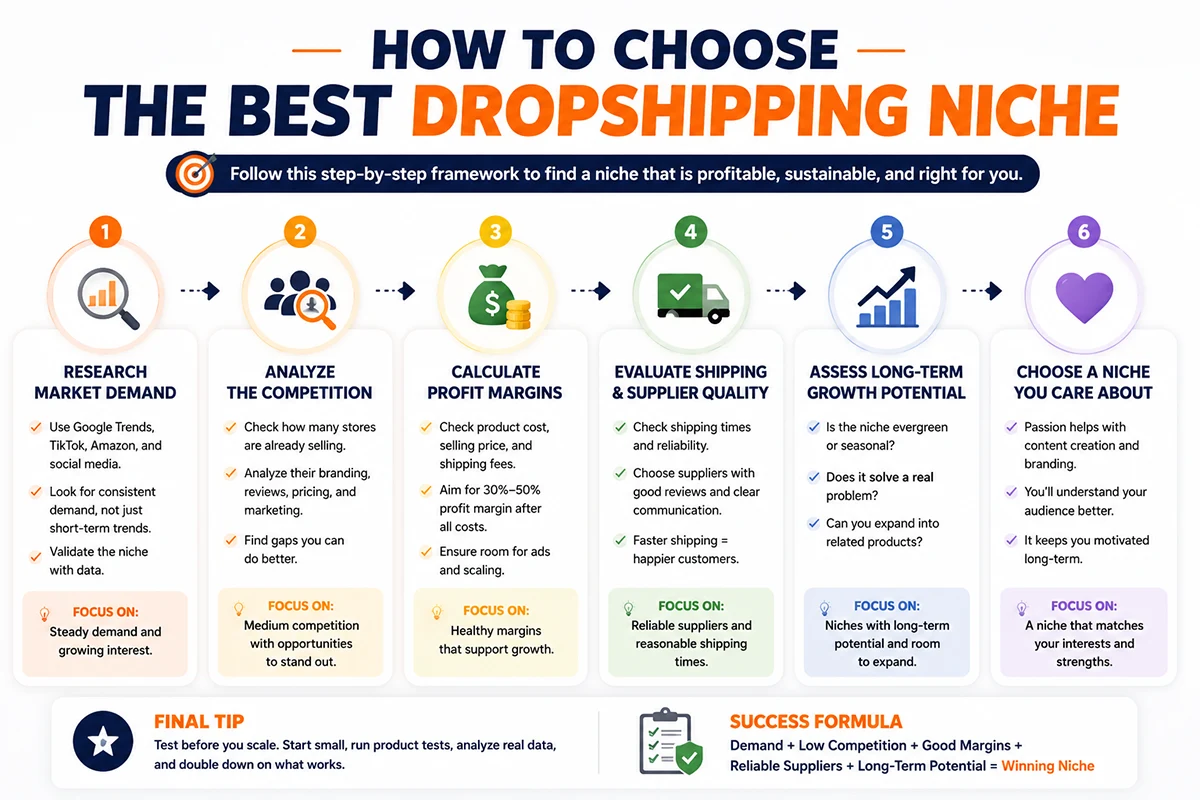
Choosing the right niche is often the difference between a store that struggles to make sales and one that can scale profitably. Focus on niches with proven demand, reasonable competition, healthy margins, and products that are easy to fulfill.
Validate Market Demand
Before investing in a niche, make sure people are actively searching for and buying related products. Use tools like Google Trends, keyword research tools, and marketplace bestseller lists to identify products with consistent demand rather than short-lived trends.
Check Competition Levels
Competition validates demand, but excessive competition can make growth difficult. Look for niches where smaller brands are succeeding instead of markets completely dominated by major retailers. The best opportunities often exist within specialized sub-niches rather than broad product categories.
Look for Healthy Profit Margins
A profitable niche should leave enough room for marketing, fulfillment, and business growth. As a general rule, products with 30%+ margins and selling prices between $30–$100 tend to offer a better balance between profitability and conversion potential.
Consider Shipping Complexity
Shipping costs and delivery experience directly affect customer satisfaction. Prioritize products that are lightweight, durable, and easy to ship. Heavy, oversized, or fragile products can quickly reduce profits through higher shipping costs and return rates.
Evaluate Long-Term Growth Potential
The strongest niches support repeat purchases, product expansion, and long-term brand building. Evergreen categories such as pet supplies, beauty products, wellness items, and home organization products often provide more sustainable growth than short-term trends.
Common Mistakes When Choosing Products to Dropship
Choosing the wrong products is one of the biggest reasons dropshipping stores fail. Many beginners focus on what they personally like rather than what the market is actively buying. Before launching a product, avoid these common mistakes:
- Chasing short-lived trends: Viral products can generate temporary sales, but demand often disappears quickly. Focus on products with consistent, long-term demand whenever possible.
- Ignoring profit margins: Low-priced products may attract buyers, but thin margins leave little room for advertising, shipping costs, and returns. Look for products that can comfortably support healthy margins.
- Entering oversaturated markets: Selling the same generic products as hundreds of other stores often leads to price competition. Choose a niche or angle that helps your brand stand out.
- Overlooking shipping complexity: Heavy, fragile, or slow-shipping products can increase costs and customer complaints. Lightweight, durable products are generally easier to scale.
- Relying on untested suppliers: Poor product quality and unreliable fulfillment can quickly damage customer trust. Always test products and evaluate suppliers before scaling.
- Skipping competitor research: Analyze competing stores, customer reviews, and market gaps to understand how you can offer better value rather than selling the exact same product.
- Trying to sell everything: General stores often struggle to build trust and attract a specific audience. A focused niche store is usually easier to market and scale.
The best dropshipping products combine proven demand, healthy margins, reliable fulfillment, and a clear opportunity for differentiation.
Real Examples of Successful Dropshipping Businesses
Many people assume successful dropshipping businesses win by finding a “winning product.” In reality, most long-term winners build a recognizable brand, focus on a specific audience, and create a customer experience that competitors can’t easily copy.
Here are five well-known examples:
- Notebook Therapy (Stationery & Lifestyle): Rather than competing with generic stationery sellers, Notebook Therapy built a premium brand around Japanese and Korean-inspired aesthetics. Products such as journals, planners, and desk accessories are positioned as part of a lifestyle rather than simple office supplies. Their success demonstrates how strong branding can justify higher prices and create customer loyalty.
- Meowingtons (Pet Niche): Meowingtons focused exclusively on cat lovers instead of the broader pet market. The brand built a large social media following through cat-themed content, memes, and community engagement before converting that audience into customers. This is a strong example of niche marketing done right.
- Subtle Asian Treats (Personalized & Trend Products): Founded by entrepreneur Tze Hing Chan, the business gained traction by selling bubble tea-themed plush toys and gifts to a clearly defined audience. By combining a targeted niche with social media advertising, the store reportedly generated over $19,000 in profit within its first few months.
- MVMT Watches (Fashion Accessories): MVMT started as a direct-to-consumer watch brand that leveraged ecommerce and influencer marketing to challenge established watch companies. Instead of competing with luxury brands, they offered minimalist designs at accessible prices and built a strong lifestyle-focused brand that was eventually acquired for over $100 million.
- Gymshark (Fitness Apparel): Before becoming one of the world’s largest fitness brands, Gymshark started as a small online store using a dropshipping-style model. Its rapid growth was driven by influencer partnerships, community building, and a clear focus on fitness enthusiasts. Today, it is often cited as one of the most successful ecommerce brand-building stories.
These businesses succeeded not because they sold random trending products, but because they identified a specific audience, built a strong brand, and created marketing that resonated with their customers. That’s often a more sustainable strategy than constantly chasing the latest viral product.
Dropshipping Business Ideas FAQs
What is the most profitable dropshipping niche?
There is no single most profitable niche, but categories such as pet supplies, beauty and skincare, tech accessories, fitness products, and home organization consistently perform well. The best niche combines strong demand, healthy profit margins, and opportunities for repeat purchases.
What are the best products to dropship?
The best products are lightweight, easy to ship, and solve a specific problem. Popular examples include pet accessories, skincare tools, phone accessories, home storage products, fitness equipment, and kitchen gadgets.
How much money do you need to start a dropshipping business?
Most new store owners should expect to invest between $500 and $1,500 for a domain, ecommerce platform, product testing, marketing, and creative assets. While it is possible to start with less, having a testing budget increases your chances of success.
Can beginners start a dropshipping business?
Yes. Dropshipping has a relatively low barrier to entry because you do not need to purchase inventory upfront. However, success still requires product research, supplier management, marketing skills, and a clear niche strategy.
Is dropshipping worth it today?
Yes, but it is no longer a shortcut to easy money. The most successful dropshipping businesses focus on building a brand, offering fast shipping, and creating a better customer experience rather than simply reselling generic products.
Recommended Reading